


If you or your child or someone close to you has type 1 diabetes, don’t worry. Diabetes is a serious disease, but with proper nutritional therapy, medical therapy, regular exercise and diabetes education, you can live a healthy, long life.
What is Type 1 Diabetes?
Our body’s energy need is provided by the essential nutrients in our foods, carbohydrates, proteins and fats. The most important of the nutrients broken down into the smallest pieces for absorption are simple sugars called “glucose”. Glucose is an important food source of all organs of the body, especially the brain. Cells use the glucose they need with the help of a hormone secreted by the pancreatic gland at the back of the stomach. If this hormone, known as insulin, cannot be made in the body, the foods taken cannot be used as energy.
Type 1 diabetes, which is caused by the deficiency of insulin hormones, is also called “Juvenile diabetes” because it often occurs in childhood and adolescence.
Type 1 diabetes occurs when beta cells in the pancreas that produce insulin are damaged as a result of an autoimmune process. Patients have to take the insulin hormone externally (by injection) for life because there is an absolute or relative insulin deficiency. For this reason, Type 1 diabetes is also called Insulin Dependent Diabetes Mellitus = IDDM. In general, 10% of the diabetes cases in the community are Type 1 diabetes cases. The prevalence of Type 1 diabetes in childhood varies between countries (regions), and 1 to 42 out of 100,000 children under the age of 15 develop diabetes each year. Type 1 diabetes is generally more common in northern countries.
What Causes Type 1 Diabetes?
Healthy individuals have an immune system responsible for protecting the body against external factors. Diseases that occur when this system deviates from normal due to any reason such as virus, vaccination, medication, physical or psychic stress, perceiving its own cells as foreign, attacking and destroying them are called “autoimmune diseases”. Type 1 diabetes is also included in the group of autoimmune diseases. The immune system, which is activated for an unknown reason, destroys the pancreatic beta cells that take over insulin production. When this damage reaches over 80%, symptoms of the disease appear.
Who is at Higher Risk for Type 1 Diabetes?
Risk of developing type 1 diabetes;
- Those with type 1 diabetes in first degree close relatives such as mother, father and sibling,
- Many relatives with Type 2 diabetes,
- It is higher in women who develop diabetes during pregnancy.
What Symptoms Happen If Blood Sugar Is Constantly High?
Urinating a lot, passing urine frequently
When insulin cannot be made in the body, the functions normally responsible for the insulin hormone cannot be performed, ie glucose cannot be used by cells as energy and accumulates in the blood. After a certain level, sugar begins to be excreted from the kidneys through the urinary tract. Since the sugar excreted in urine will also drag the water, the person starts to urinate a lot and urinate frequently.
Drinking a lot of water
When excessive water is lost with urine, there is a need to drink excessive water.
Weaken
On the other hand, body cells that cannot benefit from the foods taken start to use the fats in the storages as fuel and the person becomes weak.
The time required for these symptoms to appear depends on the amount of damage to the beta cells of the pancreatic gland and the burning rate. The damage can last for weeks, months or even years. In case the destruction is completed quickly and in a short time, the body has to use its own proteins and fats for energy needs. Especially the end products called ketone bodies, which are formed by the excessive destruction of fats, are harmful wastes for the body, they accumulate in the body and create an emergency called ketoacidosis. Symptoms of ketoacidosis are abdominal pain, rapid breathing, extreme weakness and fatigue. In such cases, it is necessary to immediately apply to the hospital.
How Should the Treatment Be in Type 1 Diabetes?
The constant rule in the treatment of type 1 diabetes is insulin injection. In this type of diabetes, using insulin is a must and life-saving. Other cornerstones of treatment are healthy eating, regular exercise and education. Maintaining the ideal blood glucose level requires pronounced care and daily care throughout the day. The care required for the person to feel good and maintain a healthy life should be transformed into a lifestyle.
What Should Be Considered In Nutrition Treatment?
In diabetes, the purpose of regulating eating habits is to create the most ideal nutrition program that the person with diabetes can apply throughout his life.
- Keep blood sugar within normal limits,
- Hyperglycemia (high blood sugar), and hypoglycemia (low blood sugar) as to avoid acute complications,
To provide and maintain the ideal body weight.
In order to achieve the above objectives, type 1 diabetes individual;
To eat enough and at the appropriate time in accordance with his / her individual characteristics, daily life plan, nutritional habits and insulin treatment scheme,
- Foods containing carbohydrates consumed in accordance with the requirements for the amount of blood sugar control,
- To ensure diversity in food consumption,
- To increase the amount of pulp taken with food,
- Simple sugars (dust and cutting sugar, honey, sweets, juice, etc.) is recommended to consume the dietician.
What are the Considerations in Exercise?
In the treatment of diabetes, an exercise type and program suitable for the person should be applied. When starting to exercise, the time should be kept short (starting with 5-10 minutes a day) and gradually increased. Exercise should be done regularly every day, cotton socks should be preferred during exercise. Insulin should not be applied to the areas where the muscles to work actively during exercise, and exercise should not be started on an empty stomach.
Care should be taken against decreases in blood sugar that may occur during exercise and blood sugar should be measured. Despite the risk of hypoglycemia that may occur during exercise, foods containing simple sugar must; Care should be taken to have sugar cubes, sugar tablets or fruit juice.
Who Should You Seek Professional Help For A Successful Diabetes Treatment?
Since Type 1 diabetes is a lifelong disease that affects every organ in the body where there are veins, the prerequisite for providing good care for individuals with Type 1 diabetes is a team requirement.
Many people with diabetes are helpful in teaching daily care and maintenance. At the beginning of the assistants are physicians specialized in this field. The physician applies a medical treatment program specific to the person with diabetes.
Nutritionist is the person you can ask for help in organizing a healthy diet plan, which is the cornerstone of treatment, and gaining healthy eating habits.
Your diabetes nurse will assist you with insulin administration technique, blood glucose measurement method, hypoglycemia, foot care and so on.
Diabetes educators are healthcare professionals who train people with diabetes about diabetes. A nurse, nutritionist or general practitioner can be a diabetes educator. Diabetes educators provide training on what to do in special situations, in case of illness or when blood sugar drops. In addition, some voluntary organizations, associations and foundations that provide education in chronic diseases are other helpers (Diabetes Schools) that guide people with diabetes.
How is Insulin Therapy Applied?
Since insulin is a protein hormone, it is digested in the stomach. For this reason, it can not be used in pill form with mouth sores; It can only be used as an injection. Today, purified preparations with a structure similar to human insulin are used.
Daily insulin need varies according to the patient’s height, weight, age, food consumption and activity level. In addition, other intrusive illness, stress, or medications may affect the insulin dose. Storage conditions for insulin are +4 degrees / + 8 degrees.
As a result of technological developments and researches, it has been ensured that insulin can be made with pen injectors and insulin pump as well as conventional injectors.
How to Monitor Blood Sugar at Home?
Measuring your blood sugar on certain days of the week gives your doctor information about whether your blood sugar is going well and the changes in insulin doses. Measurements are also important for your dietitian to adjust your nutritional treatment and to inform you about the effect of the foods you eat on your blood sugar.
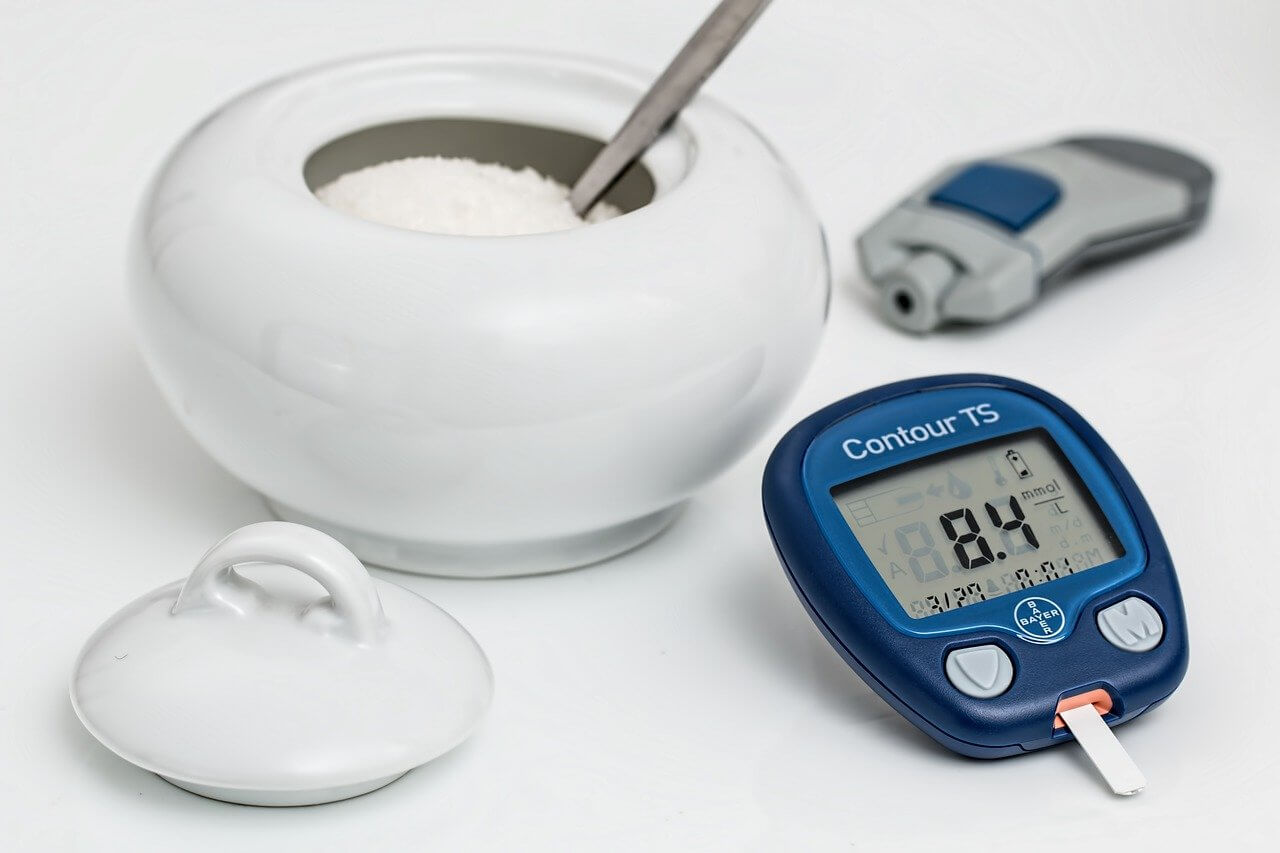
People with type 1 diabetes should measure blood glucose with a glucometer (blood glucose meter) four times a day, before breakfast, lunch, dinner and nighttime meals, or at different meals on different days before and two hours after the meal. The number of times this measurement should be done per week is determined by your doctor / dietician.
You can get help from your healthcare team in preparing the most suitable blood glucose measurement program for your illness and living conditions.
What are the Urgent Problems in Type 1 Diabetes?
A person with type 1 diabetes can lead a trouble-free life by following a scientific and healthy nutrition program, regular exercise, and appropriate insulin therapy. However, in diabetics who do not make insulin with the appropriate technique, in sufficient doses and on time, who cannot adapt to nutritional therapy, and who consume excessive carbohydrates or disrupt exercise, blood sugar may increase (hyperglycemia). In contrast, people with diabetes who overdose on insulin or do not consume recommended foods, especially foods containing carbohydrates, on time and sufficiently, drink alcohol or exercise excessively, blood sugar may drop suddenly and rapidly (hypoglycemia).
What Should Be Done When Blood Sugar Is Low?
It is an important condition that requires urgent intervention, such as a decrease in blood sugar and a rise. Therefore, the person with diabetes must carry the diabetes ID on a necklace, bracelet or watch strap. In the case of hypoglycemia, which may occur as a result of the diabetic person’s delaying a meal or snack or spending more energy by moving more than usual, sweating, shivering, color pallor, irritability, and restlessness are noticed in the diabetic person. If the necessary precautions are not taken, adaptation difficulties may occur and then loss of consciousness.
The type of treatment required in hypoglycemia varies according to the symptoms observed in the person with diabetes. In cases where the symptoms are mild, 5-6 pieces of cut sugar are dissolved in a glass of warm water or 1 large tea glass of sugared fruit juice can be given. If there are no signs of recovery, 2 teaspoons of sugar or 5-6 cubes of sugar should be dissolved in a small amount of water and drunk in small sips. In hypoglycemia where there is unconsciousness, sugar or sugar water cannot be given orally. In this case, an intramuscular injection of glucagon is necessary and it is vital that this injection is made.
What Should Be Done When Blood Sugar Rises?
Frequent urination, dry mouth, drinking a lot of water, dry skin and delayed healing of wounds, weakness, fatigue and weakening means high blood sugar in diabetics. In this case, what needs to be done is to investigate whether the used insulin expiry date, dose and application technique are correct. If hyperglycemia persists despite drinking plenty of water and compliance with the recommended insulin regimen and diet plan, the diabetic person should immediately consult his doctor.
What Are The Innovations In Type 1 Diabetes Treatment?
Today, islet tissue or pancreas transplantation has come to the fore in the treatment of type 1 diabetes instead of insulin. However, the biggest problem in these transplants is tissue rejection and expensive drugs called immunosuppressive, which have significant side effects, are used to prevent tissue rejection. Therefore, researchers looking to islet transplant treatment as a definitive solution are in search of less harmful immunosuppressive drugs.
You can also check: https://www.webmd.com/diabetes/type-1-diabetes


