


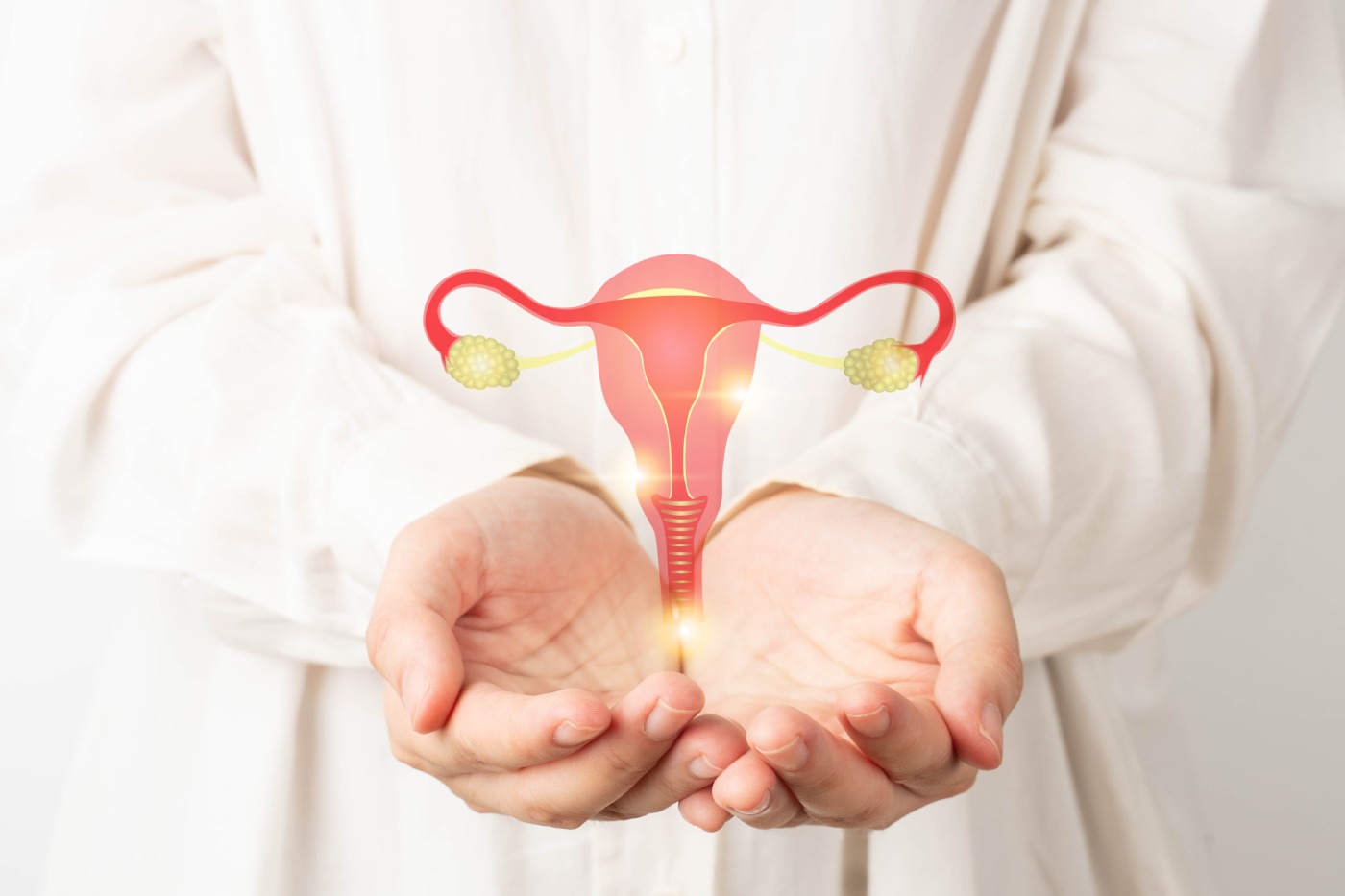
It is well known that one of the factors of infertility is tubal problems. That is, those pathologies related to the fallopian tubes, in the case of women. One of the pathologies in the tubes that we see most frequently in our consultations is the hydrosalpinx. For this reason, in this blog we will talk about what it is, what causes it and what are the chances of pregnancy with this pathology.
What Causes Hydrosalpinx?
as we said, The hydrosalpinx is a tubal pathology, consisting of an excess of fluid inside the fallopian tubes.. The most serious consequence of this affectation, as the tube is blocked, is the impossibility of becoming pregnant naturally. Said obstruction in the fallopian tube can cause the fluid inside it to flow back into the uterus, preventing correct embryo implantation.
But what causes hydrosalpinx? Its origin can be linked to a sexually transmitted disease (STD). But previous surgeries in the fallopian tubes, adhesions in the pelvis or pathologies such as endometriosis or appendicitis can also influence.
Symptoms of hydrosalpinx
There is no symptomatology associated with hydrosalpinx that can be associated with this pathology, except for infertility. In some cases, patients describe constant pain in the pelvis or lower abdomen, more pronounced before or after the period. On the other hand, having an ectopic pregnancy can be a warning sign of a tubal problem.
How is hydrosalpinx diagnosed?
Three tests are available to diagnose that one or both fallopian tubes are blocked:
Hysterosalpingography (HSG): This test consists, by injecting a special liquid into the tubes, to see where said liquid moves. If it exits at the ends, towards the pelvic cavity, they are permeable. If they are blocked, the fluid remains and that is when the hydrosalpinx is diagnosed.
Ultrasound: what is observed by this diagnostic test is an enlarged tube.
Laparoscopic surgery: This surgical technique makes it possible to observe a blockage in the tubes.
When this happens, the egg is not able to travel through the tubes to the uterus. However, natural conception would be possible if the blockage only exists in one of the tubes, since the eggs from the other ovary can arrive. But, as previously mentioned, excess fluid in the tube can flow back into the uterus, negatively affecting embryo implantation.
Assisted reproduction to be a mother with hydrosalpinx
In cases in which the tubes are severely affected and the patient wishes to become a mother, the recommendation is to perform IVF. The tubes do not act in this assisted reproduction process, but if the fluid recedes into the pelvic cavity, embryo transfer may be compromised. Surgery to remove the tubes may be performed beforehand to improve IVF success rates. It will be the specialist who recommends said tubal surgery before treatment.
Treatment for hydrosalpinx
The possible treatment will vary depending on the level of obstruction that the tubes present. The options to treat the pathology can range from surgery by laparoscopy, with the aim of eliminating scar tissue or adhesions that the patient may present.
Salpingectomy: This intervention consists of totally or partially removing the affected tube with the hydrosalpinx. With its performance it is possible to recover the reproductive capacity, but the risk of the surrounding ovarian tissue being affected must be taken into account.
Sclerotherapy: In this procedure, an ultrasound-guided needle is used to remove fluid from the affected tube. Later, the specialist introduces a substance called sclerosant, which has the function of preventing the fluid from accumulating again.
At IVI we can help you
Naps looking for pregnancy and you don’t get it, at IVI we can help you. If there is a hydrosalpinx, it will be the specialist who, with the diagnostic tests mentioned above, confirm it. Once the pathology has been diagnosed, together you will decide what the most effective assisted reproductive treatment. However, the first step will be hydrosalpinx surgery.


