


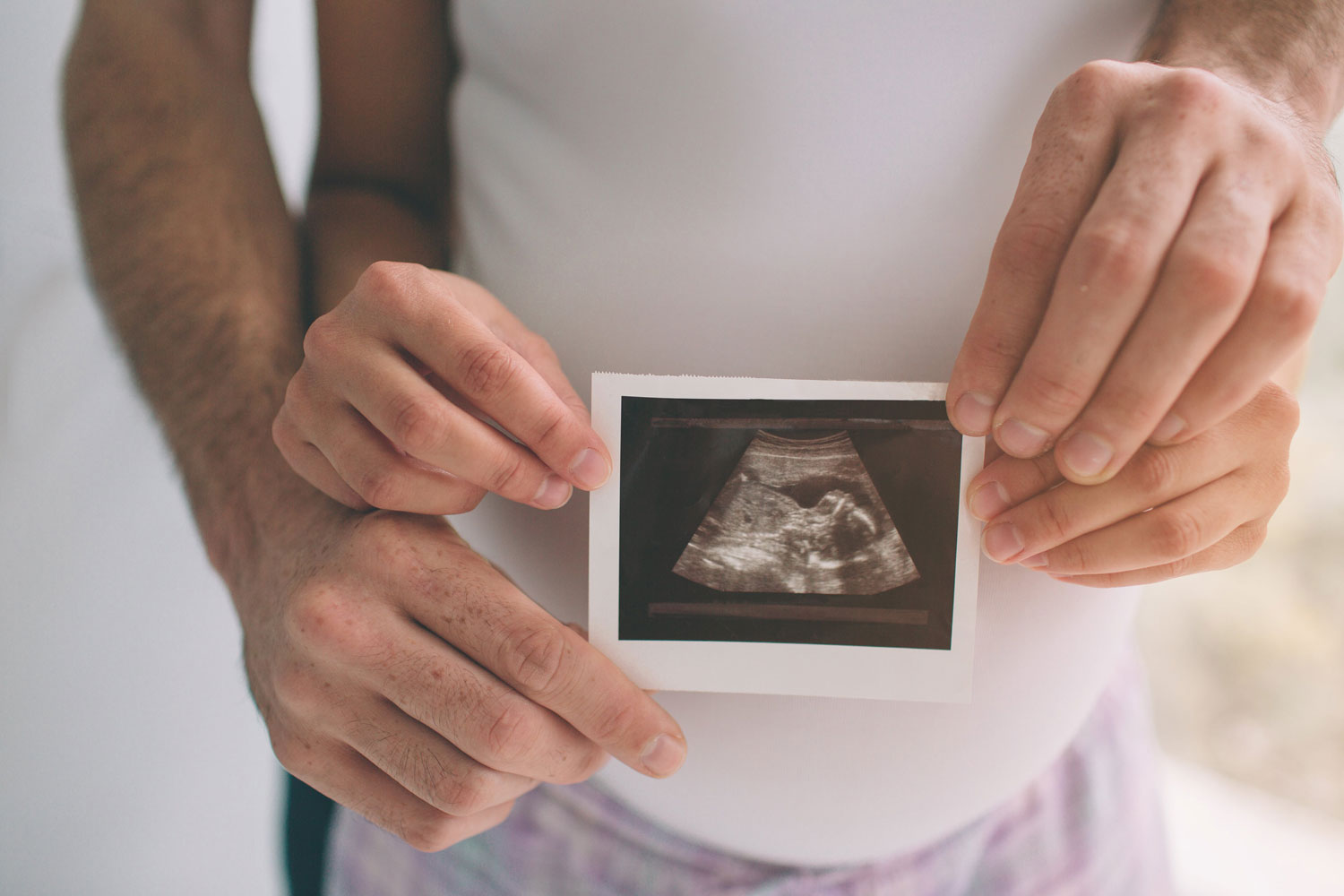
- For patients with fertility preservation for oncological reasons, with low ovarian response and those of advanced age, time is of the essence
- Almost 10% of babies are born in Spain by assisted reproduction, this break could mean a drop in the birth rate
When will assisted reproduction treatments be resumed? One month has already passed since the announcement of the alarm state and therefore the start of the confinement. With all the prudence in the world, and without lowering our guard, it seems that the figures already indicate that the worst is over. We believe that it is time to think about other equally important measures that defend and appeal to life: stopping a possible decline in the birth rate in Spain.
Stop COVID19
IVI championed the recommendations of the leading scientific societies to the COVID-19, also took the initiative when it came to lending respirators from its clinics and donating consumables to a multitude of Public Health hospitals, but remember that sterility is a disease recognized by the WHO and that there are many patients who cannot delay their treatments eternally.
Being that the who has not ruled on natural conception, the issue should be treated the same in the matter of assisted reproduction. Where the only inconvenience could be the contact in the clinics, an effect that would be avoided by taking the appropriate prevention, safety and hygiene measures.
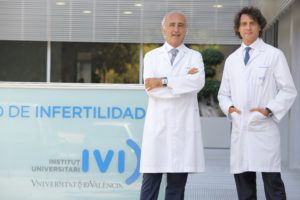
As he points out Prof. José Remohí, president and co-founder of IVI “It is urgent to resume the treatments in cancer patients who need to preserve their fertility, also in those with low ovarian response or ovarian pathology, such as endometriosis, for example, and elderly women. Specifically these three groups of patients cannot delay their treatments even one more day”.
Furthermore, Prof. Remohí concedes that “Babies born in Spain thanks to assisted reproduction account for around 10% of the annual total, if we block treatments for too long we run the risk of experiencing a sharp drop in the birth rate in 2021, investing more if possible the national population pyramid”.
Since the alarm state was decreed, and seeing the current trend, IVI, in Spain alone, will be forced to stop 4,000 treatments, with the serious risk that this implies for the global birth rate. On the other hand, the also president and co-founder of IVI, the Prof. Antonio Pellicer, states that “The Italian Society of Gynecology has already expressed itself in favor of resuming activity shortly. ANDn Spain, and at IVI, being pioneers in assisted reproduction, we should resume the activity as soon as possible. This pandemic should serve to guide our future prevention policies”.
Professors Remohí and Pellicer agree that IVI sought from the beginning the conciliation of its employees with their respective families, to increase their security, and of all his patients. And obviously en the moment of resuming activity, preventive measures will be taken to the extreme, to avoid contagion, such as serological studies and maximum disinfection, hygiene and safety measures.
The effort of the entire population for getting out of this crisis as soon as possible, added to the effort of health personnel of our country for saving lives every day, dIt should be complemented by that of assisted reproductive health professionals who ensure that the effects of COVID-19 on the birth rate are minimized future national. Above all, remembering that there is no scientific evidence of the risk of vertical transmission of the disease from the mother to the fetus.
First online visit at IVI
For all those patients who have been deprived of a first face-to-face visit due to the state of alarm, at IVI we have a system of first free online visit, which meets exactly the same standards as the face-to-face. You can reserve it in the link or by calling 900 847 300
Birth rate in Spain
According to data from the INE, Spain is one of the European Union countries with the lowest birth rate, after suffering a 30% decrease in births in the last ten years and having a clearly downward curve in the last five. The average age to conceive the first child has been delayed to 31 years, while the average number of children per woman falls to 1.25, figures that shake the population pyramid. In addition, births to elderly mothers (aged 40 and over) skyrocket to 8,000.


