


In gynecological examinations it is very common to perform a Pap smear, also known as a Pap smear. What does this test consist of? What’s your objective? Next, we will solve the usual doubts that surround the vaginal cytology and we will also talk about its importance when it comes to detecting and preventing serious diseases, such as cervical cancer.
What is a Pap smear?
Pap smear is a test performed by the gynecologist on the patient, with the aim of diagnosing precursor lesions or uterine cancer itself. It is also capable of detecting other diseases such as the human papillomavirus (HPV) or other conditions caused by fungi or bacteria.
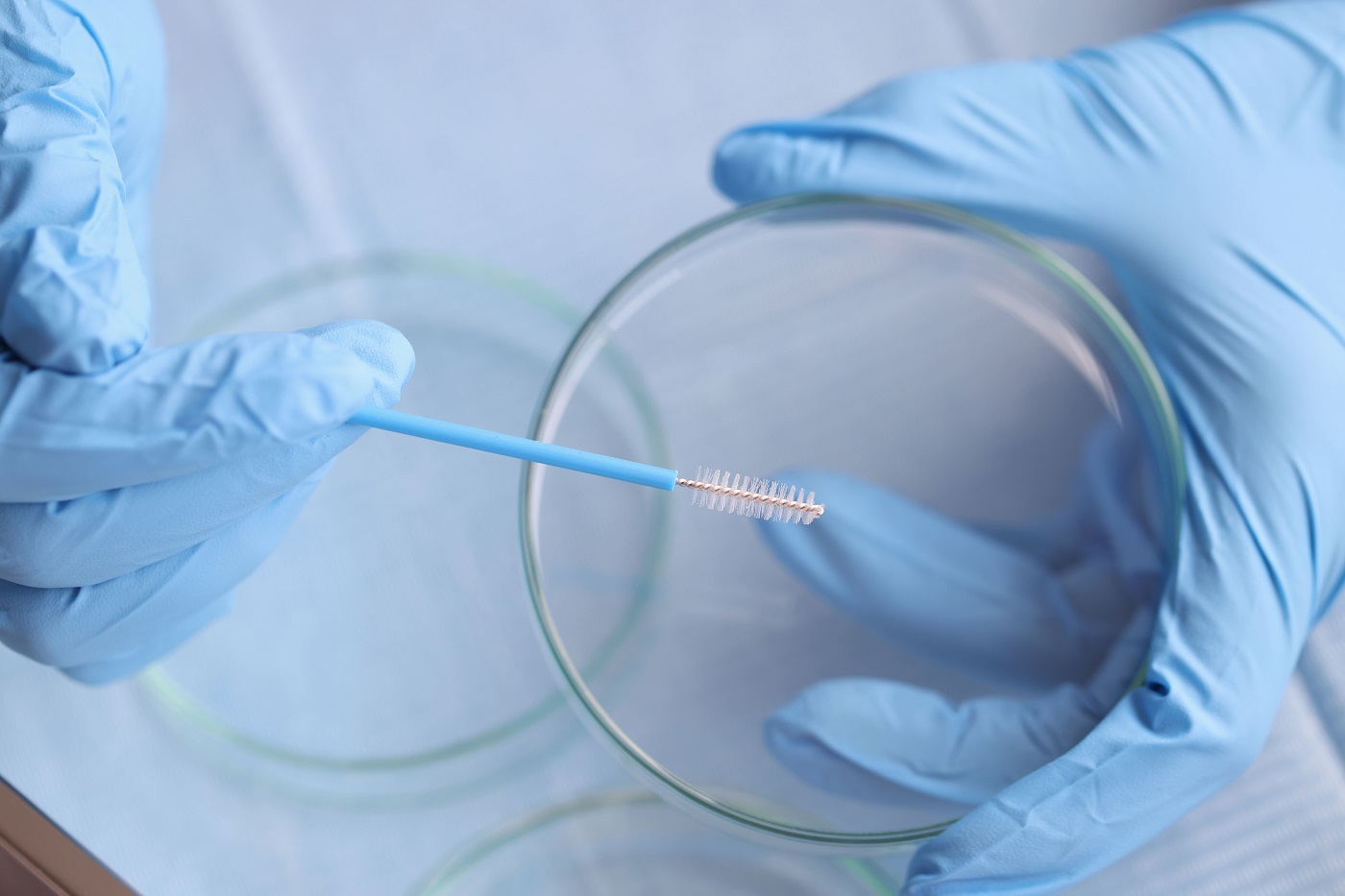
Cytology is a painless technique that lasts just a few minutes. Through the introduction of a brush and a spatula, making a gentle scraping, a sample of cells from the inside and outside of the cervix is obtained, which are sent to the laboratory to analyze and make a diagnosis.
When should I have a Pap smear?
As advised by the Spanish Society of Gynecology and Obstetrics (SEGO), women should have a cytology performed from the age of 25. In addition, to carry out an adequate follow-up, they should repeat it every 3 years – if the patient is between 25 and 30 – and every 5 years from 30 to 65.
It should be noted that there are certain cases in which it is advisable to carry out the test on an annual basis to have greater control and have the risk factors under control:
- If there is a history of certain gynecological diseases
- If the patient has genital warts due to HPV (Human Papillomavirus)
- If previous smears have been positive or show inconclusive results
- If you have a very active sex life
- If the patient is immunosuppressed
Likewise, it is essential to follow the instructions and recommendations of your regular gynecologist and go to as many check-ups as necessary.
How can cytology help me with uterine cancer?
As we have mentioned, gynecological cytology is our great ally when it comes to preventing and detecting diseases or abnormalities present in the woman’s uterus. What’s more, the Spanish Association Against Cancer (AECC) states that the gynecological cytology It has managed to reduce mortality and the incidence of cervical cancer by around 70-80%.
Once the cytology is done, if the cells do not present abnormalities, the diagnosis will be negative, and therefore there will be no presence of diseases or infections. But, if on the contrary the result is positive, it means that the cells of cervical origin studied are abnormal and there is some pathology, since these cells can warn of carcinogenic and precancerous diseases.
In case of a positive result, the next step consists of an exploration of the cervix, vagina and vulva, so that the gynecologist can detect what disease we are dealing with and provide the patient with the most appropriate treatment.
Anything else I should know?
The answer is yes. For the results of the cytology performed to be conclusive, the patient should avoid going to the appointment during menstruation, as well as refrain from having sexual relations for up to 48 hours before the appointment. In addition, it is also necessary to avoid treatments with ovules or spermicides the days before the test and not perform internal washings, as the diagnosis could be altered.
From the cynical IVI
Many women are afraid of having tests like this, but the truth is that they make a big difference when it comes to detecting diseases in time and being able to fight them. This is especially relevant if we talk about cervical cancer.
From the IVI clinics, leaders in assisted reproduction for more than 30 years, we put at your disposal the best professional team to solve your doubts and help you with everything you may need.
Share on social networks