


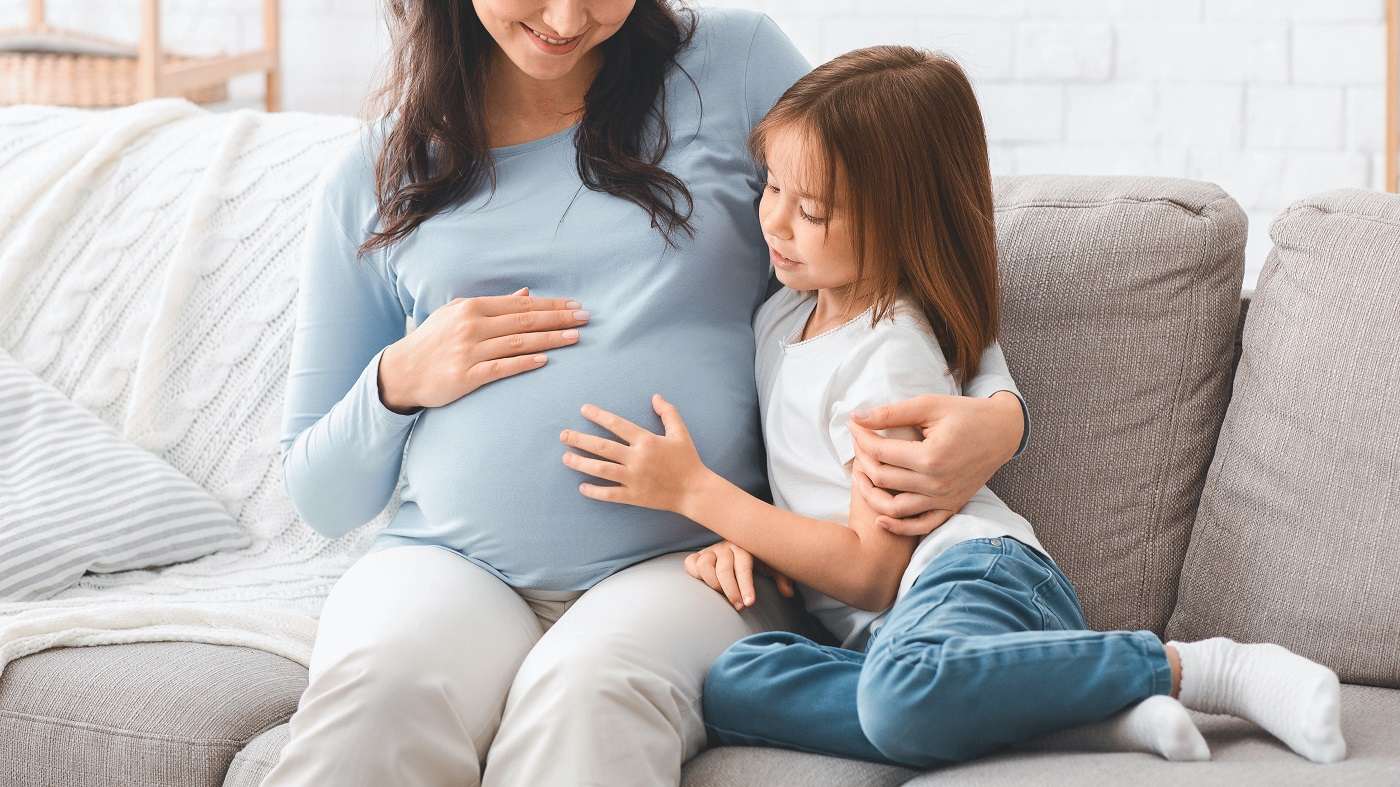
The word ‘infertility’ is not new, neither for those of us who form IVI nor for you, the patients. But we are used to talking about cases in which pregnancy is sought and does not arrive. And what happens with those couples who, after a natural pregnancy, look for the second and don’t get it? It is about what we know as ‘secondary infertility’ and in this post we are going to talk about it, its causes and how we can detect it.
What is secondary infertility
As we have said, we speak of secondary infertility when pregnancy is not achieved or abortions are suffered after having carried at least one pregnancy to term. As in the case of primary infertility, the approximate time to suspect that there may be a problem in achieving pregnancy is after 12 months of continuous unprotected intercourse. As you know, this period is reduced to 6 months in those cases of women who are over 35 years old. If after this time the attempts have not been successful, it is time to consult a specialist and not wait any longer. In addition, as we will see later, age also plays a very important role here. Secondary infertility shares many of the origins with primary infertility, which we will explain later. Secondary infertility can affect both women and men, so the problem to conceive again can be in either partner or both.
Causes of secondary infertility
As in primary infertility, in cases where a new pregnancy is not achieved, the causes may lie in the woman, the man, or both.
Causes of female infertility:
- Endometriosis
- Hormonal imbalances
- Vaginal or uterine problems
- Genetic diseases
- Other health problems that affect fertility, such as being overweight or underweight
- Harmful habits that affect health and fertility, such as alcohol or tobacco use
Causes of male infertility:
- Decrease in the quality or quantity of semen
- Appearance of pathologies that affect the male reproductive system
- Genital tract disorders
- Overweight
- Harmful habits that affect health and fertility, such as alcohol or tobacco use
But, as we have advanced before, the main cause that causes secondary infertility in women is age. And, as you know, in recent years we are seeing how the moment of being a mother is delayed. If we take into account that, now, we are talking about conceiving a second child, the age at which this happens is even later. The passage of time affects the fertility of the woman, since after the age of 35, a decrease in the number of oocytes begins to occur. But also in their quality, since it is from the age of 38 that the chances of aneuploidies in embryos increase.
Tests to diagnose secondary infertility
In recent times, the number of cases that we see in the consultations of our IVI clinics has increased that, after having a child naturally, the second does not arrive. If this is your case, you should consult a specialist -after 6 or 12 months looking for the pregnancy without success-, who will study your case and perform a series of tests that help to confirm that, indeed, you are facing a problem of secondary infertility. In this case, the diagnostic tests are the same as for primary infertility. In IVI these tests include a complete medical history and physical examination for both members of the couple. For women, basic tests such as baseline hormonal study, ultrasound, and hysterosalpingography. In the case of men, an assessment of the quality of the semen will be carried out, by means of a semen or spermiogram. The specialist who takes your case will assess the need to perform some other complementary test for the diagnosis of secondary infertility.
At IVI we can help you
In addition to performing the diagnostic tests that we have just explained, at IVI we have several specific units in which they can treat your case in depth. And, as experts in assisted reproduction, we have a wide range of treatments and techniques for you to achieve your dream of expanding your family.
This is the case of Ana Fernández, IVI patient, diagnosed with secondary infertility and who shared her story in the first episode of The IVI Podcast with Nuria Roca. “I had my first daughter at 35 years old, relatively simple and without any problems. I decided to give myself some time to have the second one, but when I tried it I realized that there was no way. Years passed and I decided to put myself in the hands of specialists, because time was running out. “ Listen to Ana’s full story here, talking about what it means to assume that you have infertility when you decide to seek a second pregnancy, after achieving the first one naturally:
Furthermore, at IVI we know that facing an infertility diagnosis is very complicated, even more so when you have already experienced a natural pregnancy and unexpected complications appear when trying another. For this reason, in all our clinics we have an emotional support department, with professionals who will listen to you and help you to face this new life scenario.

