


The importance of egg preservation for women with endometriosis
- IVI presents a study that reveals the relationship between early preservation of fertility and a higher rate of pregnancy success in endometriosis patients
- On the occasion of the 36th Congress of the European Society for Human Reproduction and Embryology (ESHRE)
On other occasions we have already talked to you about endometriosis, what this disease consists of, what its main symptoms are and the negative effects it can have on the ovarian function of patients. For example, of women with endometriosis, about 50% will experience infertility. In these cases, the preservation of fertility can be a great ally to achieve the goal of becoming pregnant.
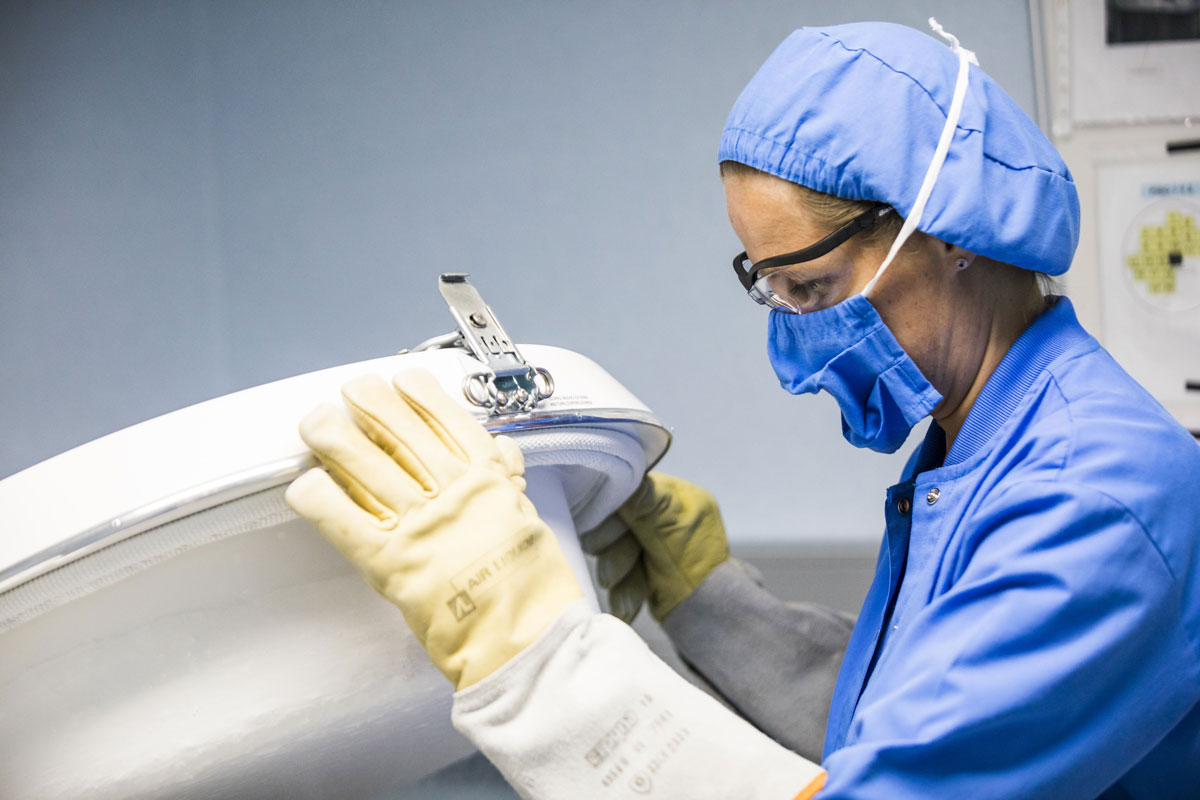
On the occasion of the 36th Congress of the European Society for Human Reproduction and Embryology (ESHRE), from IVI we present the results of a study led by the Dr. Ana Cobo, Director of the Cryobiology Unit of IVI Valencia. This study reveals, mainly, the importance of women suffering from endometriosis vitrifying eggs to preserve their fertility.
Between women who preserve fertility because of endometriosis and those who do so for social reasons, are there differences in the survival of their eggs and in the clinical results they obtain? This is the question raised by Dr. Cobo and what helped her to start the study we are talking about.
As we have commented before, the main result that this study reveals is the suitability of women suffering from this disease to carry out a preserve fertility. Likewise, the study carried out by Dr. Cobo provides more conclusions on the relationship between endometriosis and egg vitrification.
In cases of endometriosis requiring surgical intervention, higher success rates when egg vitrification was done before surgery, even more so in patients older than 35 years. This may be because, in addition to excising the cyst, healthy tissue is unintentionally removed.
On the other hand, based on all the parameters that were analyzed in this study, women aged 35, with or without endometriosis, showed similar success rates. This is not the case in women under 35 years of age affected by this disease, since they presented statistically lower data in all the areas analyzed, compared to women of the same age range who do not suffer from said disease. One of the reasons – and the most obvious – is that women with endometriosis have fewer eggs, but there are more causes that condition this fact.
On the other hand, the implantation rate – which does not depend on the number of eggs – is lower in women who have endometriosis and have vitrified oocytes, compared to those who have done so for social reasons (39% in endometriosis vs. 55 % for social reasons), which may be related to oocyte quality. What’s more, the survival rate of the ovules is 85% in women with endometriosis, compared to 91% in social preservation.
Therefore, the results of this study, in terms of survival, implantation and the lower reproductive potential observed in patients under 35 years of age confirm that endometriosis negatively affects the egg reserve and, therefore, probably also its quality. That is why at IVI we can only recommend to all women who have this disease and want to be mothers with your eggs that you perform a fertility preserve as soon as possible to increase the chances of pregnancy.


