


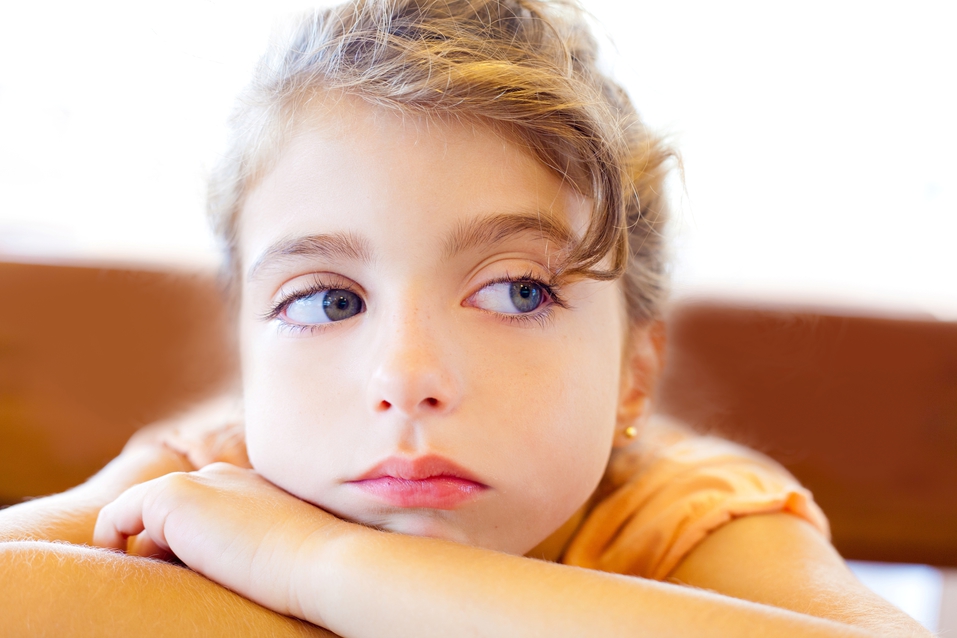
The current situation, due to the pandemic caused by Covid-19, has changed our daily lives in an extraordinary way. Children have suddenly stopped their routines and started new ones that they face for the first time. They have spent a long period at home, with their parents, without being able to see other people, relatives, friends, etc., doing school work with their parents or through a computer and when they go out they must take into account a series of very strict hygiene and safety measures, in addition, news is heard continuously about this virus that can make people sick and even cause death.
Children have a great capacity to adapt to new situations, sometimes greater than that of adults. However, this new reality can affect both adults and children emotionally. The affectation can vary from specific moments of irritability or more acute symptoms of anxiety or depression.
What symptoms can appear?
Depending on the age and the evolutionary moment of the child, these new circumstances will affect him in one way or another. Children under 9 years of age do not have as developed the feeling of belonging to a group, therefore, they may miss their friends and family, but their needs will be satisfied at home, with their parents. However, at these ages they need to do activities that channel their energy such as running, jumping, etc.

The stress and the afraid are two feelings that can appear in the child during this situation. These can be manifested by:
- Increased nightmares at night.
- Sleeping problems.
- Having pee leaks when sleeping again, enuresis.
- Irritability and anger at everything.
- Cry for any reason.
- Appear sad or apathetic to any activity.
- Fear of leaving home, sleeping alone, etc.
Recommendations for managing emotions
In order to better manage children’s emotions, it is important to follow the following tips:
- Speak clearly and simply explaining the situation, look for the most appropriate words for their age. Avoid the overinformation to which adults are exposed and answer the questions that arise.
- Help him understand his emotions. It is normal to be sad or afraid, and both children and adults can have these feelings, the important thing is to recognize the emotion and know how to control it. Your great imagination can help you to think that the virus is a monster that is waiting for you on the street.
- Establish new routines, differentiate the weekend from everyday days. In addition to their school activities, they can start doing housework, adapted to their age. It will help them feel integrated and responsible.
- Organize moments to contact family or even a friend through a video call or just a call. It will be good for them to be able to talk or see other people.
- Take advantage of the situation to play games as a family, there are games adapted to all ages, or organize a gymkhana at home or a treasure hunt. They will be delighted to all play together.
- In times of stress we can take a breath or breathe to relax, connect with family or friends, go for a walk, ride a bike, scooter, etc. exercising helps lower the stress level, also activities such as: painting, dancing, singing, etc.


