


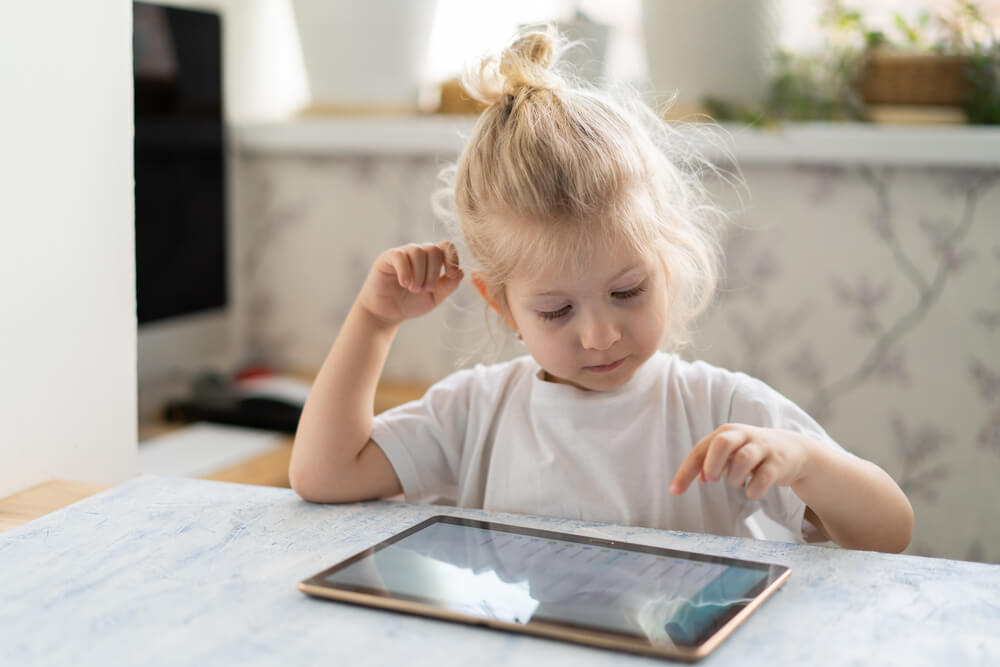
It is known that children’s mental and spiritual development is positively affected when they watch programs appropriate for their age on TV for appropriate periods. However, inappropriate programs can create negative or even traumatic effects on children.
The most important negative / traumatic effects are the deterioration of designs of world, human, woman, man, human relations and sexuality. The changes in the self-design compatible with these designs can play a determining role in the child’s personality development. As a result, children experience difficulties in defining themselves, loosening / virtualization of family ties arising from the perception of the impressive characters of movies and TV series as members of the family, indistinguishable from imagination and reality, momentary tension, fear, deviations in identification and empathy, and more frequent use of violence. . They may show inability to spend their free time with a meaningful activity other than television, reluctance to study, unwillingness to comply with family rules and order, rebelliousness, not taking responsibility, behavioral changes due to early sexual arousal. In addition to these, there may be consequences such as a decrease in school success, imitating especially negative or even psychopathic behaviors of people on television, and weakening of social relations. In addition to its mental effects, physical damages such as eye disorders, sleep problems, inactivity and weight gain due to snacking in front of the screen can also be observed. Along with these, there may be problems in language development. While a person may only witness a few violence and death incidents in his life, it is common for a child in front of the television to witness several deaths and dozens of violence every day. In addition to its mental effects, physical damages such as eye disorders, sleep problems, inactivity and weight gain due to snacking in front of the screen can also be observed. Along with these, there may be problems in language development. While a person may only witness a few violence and death incidents in his life, it is common for a child in front of the television to witness several deaths and dozens of violence every day. In addition to its mental effects, physical damages such as eye disorders, sleep problems, inactivity and weight gain due to snacking in front of the screen can also be observed. Along with these, there may be problems in language development. While a person may only witness a few violence and death incidents in his life, it is common for a child in front of the television to witness several deaths and dozens of violence every day.
Especially some mothers who are trying to do housework or some caregivers who are entrusted with the baby see television as a good distraction. However, hours spent away from one-to-one relationships in front of the television cause frequent problems such as introversion, language development disorders, inability to communicate, and hearing disorders in babies. Babies and young children who try to get to know the world and need parents’ guidance and explanations in the meantime have difficulty in making sense of the ever-changing images. As a result, they experience serious mental confusion. According to the statement of the American Academy of Pediatrics, long-term television watching of babies up to the age of 2 negatively affects the development of their social, emotional and cognitive behaviors.
Images of violence on television shake children’s confidence in life and negatively affect human relations and interpersonal communication. Exposing children to such images that are not suitable for their developmental stages through the media also means their abuse.
In the international and national legal system, necessary measures have been taken to ensure that the content of the publication is in the public interest to protect the physical and mental health of children and young people. However, the rules are frequently violated due to the fact that the penalties given are not deterrent or the supervision is insufficient. Although it is said that there is an age limit application on TV, it is known by everyone that even music clips that are suitable for all age groups contain extremely erotic images. The same eroticism manifests itself in the lyrics of these songs, and slang and obscene expressions such as “Bandıra flag me, hush, give me a little tip, where am I, girl is all yours”, slang and obscene expressions can easily reach children who cannot yet distinguish between good and bad. Moreover, the children have the singers, hairstyles, They model themselves with their dressing style and behavior. Families who are surprised how they will protect their children from these images, which we do not know when they will appear, feel helpless in the face of this negative situation.
Some cartoons that families do not mind letting their children watch, assuming that they contain themes suitable for their ages, may also contain violence. Children who cannot yet distinguish between reality and fantasy talk about fighting like a Ninja turtle and flying like a Pokemon. In addition to the violence they contain, the by-products of some cartoons such as taso and cards can create gambling habits in children. Children do not mind being intolerant of each other with the ambition to have more cards. As a result, street games that should provide mental and physical relaxation can turn into gambling and battlefields.
After extensive disasters such as earthquakes, many people have come across children who are affected by the earthquake news they watched on television, the images of people under the rubble, the wreckage, who do not want to go to school even though they do not feel the earthquake, who cannot leave their parents, cannot sleep alone at night, become restless and whining. These images, which deeply affect even adults, especially affect children under 7 years of age much more. When television channels broadcast footage of the event repeatedly, the child is exposed to chronic stress, and his anxiety increases due to the event he has difficulty in making sense of in his own world. Violence and traumatic images on television can affect children in four ways:
- Children tend to repeat or try what they see on TV. It is known that live broadcast footage of a execution, which was broadcast on television and was extremely traumatic, aroused similar curiosity in children from different cultures in various parts of the world and lost their lives while repeating the hanging scenes they watched as a play.
- Traumatic images that are given repeatedly may make the child insensitive to violence.
- It reduces the effect of the teachings that prevent the child from committing violent behavior. While a parent teaches their children not to hurt anyone, sets an example for him in this regard, the images the child is exposed to in front of the television legitimize violence in his mind.
- Violence images increase the child’s stress level. News of violence, terrorism, crime and natural disasters cause nightmares in children. In a study conducted in the USA, 37% of families with preschool children reported that their children had fearful or sad days due to a television program during the past year.
Ways to Protect Children from the Harmful Effects of Television
Television broadcasts containing violence and sexuality harm the cognitive and emotional development of the child. Frequent exposure to these images adversely affects the child’s limits of acceptability regarding obscenity and violence. Especially those under the age of 7 are not mature enough to distinguish between good and bad regarding the contents of the messages transmitted from the media. For this reason, the parent must set the necessary limit and emphasize that this is bad and wrong to his child who is confronted with violent or traumatic images of sexual content. However, if the dose is not adjusted well, we can make the subject we want to remove more attractive for the child. At this point, after giving short but satisfactory answers to the child’s questions, it is necessary to avoid extending the matter.
The parent may have difficulty setting limits for the child from time to time regarding television. When the child’s request to stay on the screen for a longer time is blocked; They are likely to cry, break up his room, disobey the rules of the house, react to his family by not studying or breaking his toys. However, what is expected from the family is to be a good model for the child, rather than putting a ban. Saying “We do not find it right to watch these programs in our home”, it is the primary condition that no family member should watch the broadcasts containing violence during the child’s waking hours. At the same time, appreciation for following the rules or being rewarded with a kind word or hug often solves the problem. But it is the best way to offer alternatives to the child that we want to limit the time he will spend in front of the screen. While watching television, one of the elderly accompanying him / her as much as possible and making comments appropriate to the child’s age both increases the child’s knowledge and prevents him from perceiving the events he cannot understand. Thus, the time the family is together in front of the screen and watched by interpreting the appropriate programs becomes an enjoyable work spent together for the whole family.


