


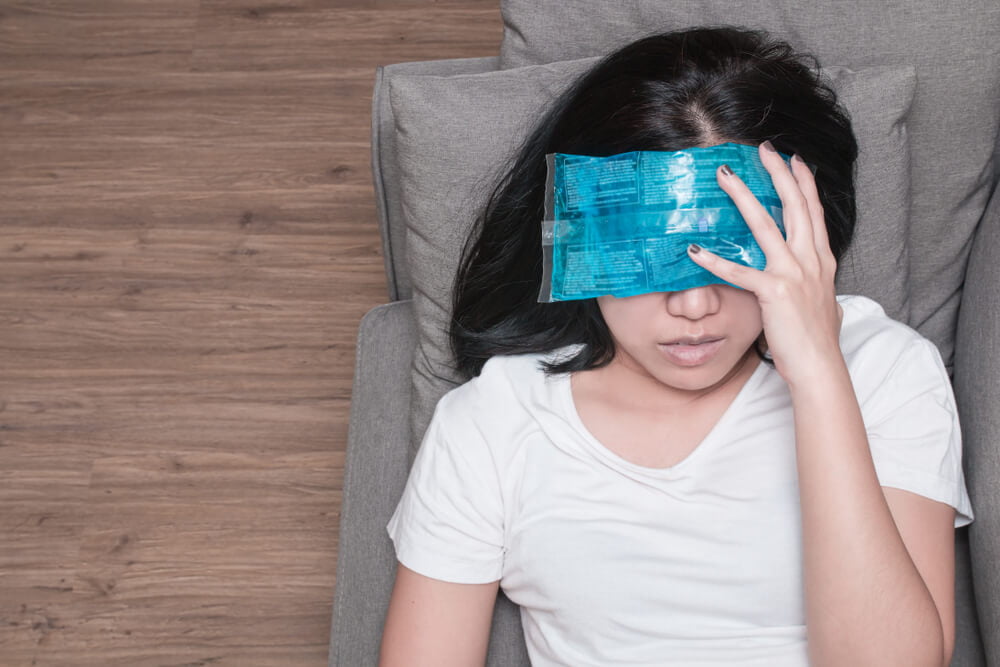
Migraines are severe, recurrent and painful headaches. These extremely severe pains can last for hours or even days. It affects 36 million Americans, or 16% of the population, according to the American Migraine Association.
Migraines follow the aura of sensory disturbances, and this is usually manifested by a severe headache on one side of the head. They tend to affect people ages 15 to 55.
Things to Know About Migraine –
People with migraine experience can easily determine factors such as light, noise, stress, allergies, etc. that cause headaches.
Some people may feel warning symptoms before the severe headaches begin. Many people who notice these symptoms can recognize the symptoms and take the necessary precautions and prevent headaches.
Some medications sold without a prescription can relieve or alleviate migraine pain.
People with severe attacks can use preventive drugs.
Trigger Factors The
exact cause of migraine is not yet known. However, it is thought to be caused by abnormal activities in the brain.
This can affect the communication of nerves and chemicals and blood vessels in the brain. Genetic predisposition makes people more sensitive to migraine triggers.
However, the following triggers are likely to stop migraines:
Hormonal changes: Women may experience migraine symptoms during menstruation due to varying hormone levels.
Emotional triggers: Stress, depression, anxiety, excitement, and shock can trigger a migraine.
Physical causes: Fatigue and inadequate sleep, shoulder or neck tension, poor posture, and physical exhaustion have all been associated with migraines. Low blood sugar and jet lag can also act as triggers.
Dietary Habits: Alcohol and caffeine can contribute to triggering migraines. Some specialty foods can also have this effect, including chocolate, cheese, citrus fruits, and foods that contain additive tyraine. Irregular eating habits and dehydration have also been named as potential triggers.
Medications: Some sleeping pills, hormone replacement therapy (HRT) medications, and combined birth control pills count as possible triggers.
Triggers in the Environment : Flickering screens, strong smells, second-hand smoke, and loud noises can be a migraine trigger. Stuffy rooms, temperature changes, and bright lights are also possible triggers.
Treatment
There is no single treatment option developed for migraine. What is meant by treatment is to prevent severe pain and alleviate the resulting symptoms.
Lifestyle changes that can help reduce the severity of migraine complaints include:
– Adequate sleep
– Avoiding stress
– Abundant water and fluid consumption
– Migraine-focused diet
– Regular sports and physical activity
Cutting gluten consumption can also be a precaution, depending on personal sensitivity.
If the above changes do not reduce migraine symptoms or frequency, further treatment should be considered.
Treatment of migraine symptoms focuses on preventing triggers, controlling symptoms, and taking medication.
Surgical Intervention
New approaches to migraine treatment have been developed in the last decade. A doctor suggests that he can inject botulinum toxin or Botox into the extracranial sensory branches of the trigeminal and cervical spinal nerves. These are the group of nerves in the face and neck linked to migraine reactions.
A 2014 review showed that surgical decompression of these nerves can reduce or eliminate migraine in patients who do not respond to primary care.
Drug Therapy
Migraines are usually managed with medication. There are many different migraine medications available, including pain relievers. Pain relievers should be taken early in the development of migraine, rather than allowing the headache to develop. Effective over-the-counter (OTC) medications for migraine treatment include: naproxen, ibuprofen, acetaminophen. Other pain relievers such as aspirin that contain caffeine and acetaminophen can often stop headaches or reduce pain. Many pain relievers can be purchased online, including naproxen, acetaminophen, and caffeine-containing aspirin. Always consult a doctor before taking new medication.
Nausea Medications
People with migraine complaints may sometimes have to experience other complaints along with headache.
Metpamide can be used to control certain symptoms such as nausea and vomiting. Serotonin agonists such as Sumatran may also be prescribed for severe migraines or migraines that don’t respond to over-the-counter medications.
Selective serotonin reuptake inhibitors (SSRIs) and antidepressants such as tricyclic are prescribed to reduce migraine symptoms, but are not approved in all countries for this purpose.
Preventive drugs Prevention of
migraine begins with consideration of triggers. The main purpose of preventive treatments is to reduce the frequency, pain level and duration of migraine headaches and to increase the effectiveness of other treatments.
There are a variety of medications and supplements that help prevent migraine attacks, including: antidepressants, coenzyme Q10, herbal extracts such as feverfew, magnesium citrate, vitamin B-12 supplements, vitamin B 2
Many products can be purchased without a prescription, including vitamin B-12 and feverfew. Before purchasing, make sure that it is safe to take these supplements with other medicines.
Some people may experience headaches due to overuse of medication. This can occur after taking too much medication to prevent migraine attacks.
Types
There are two main types of migraine. This classification depends on whether the individual experiences any sensory disturbances that lead to migraine. These are known as auras.
Migraine with aura For
many people with migraines, auras act as a warning that a headache is coming soon. The effects of an aura can include:
– Confusing thoughts or experiences
– Perceived strange, sparkling or flashing lights
– Zig-zag lines in the visual field
– Blind spots or blank spots in vision – Needling on the
arm or leg
– Difficulty speaking
– Stiffness in the shoulders, neck or legs
– Unpleasant smells
If the following symptoms are unusual for a person with migraine, they should not be ignored:
Unusually severe headache, visual disturbance, loss of sensation, speech difficulties.
When migraines with aura affect vision, the patient can see things that are not there, such as transparent shadows of objects. They also cannot see parts of the object in front of them, even some of their field of vision appears to be visible, disappears, and then comes back. People who experience an aura can describe visual brilliance, similar to the sensation after exposure to a very bright camera flash.
Migraine without aura
More commonly, a person will experience the migraine without any sensory triggers leading to the attack. 70 to 90 percent of migraines occur without an aura.
Other
types There are other types of migraine associated with certain syndromes or triggers, these include:
Chronic migraine: This refers to any migraine that triggers attacks for 15 days of the month.
Menstrual migraine: This is when attacks occur in a pattern linked to the menstrual cycle.
Hemiplegic migraine: This causes weakness on one side of the body for a temporary period.
Abdominal migraine: This is a syndrome that links migraine attacks to irregular function in the bowel and abdomen. It mainly occurs in children under 14 years of age.
Migraine with brainstem aura: This is a rare type of migraine that can trigger severe neurological symptoms such as affected speech.
If you experience headaches with migraine symptoms, definitely consult a doctor. Thus, the doctor will determine the type of your migraine and find the appropriate treatment.
Migraine symptoms may begin some time before the headache, immediately before or simultaneously with the headache, or may occur after the headache. Although not all migraines are the same, typical symptoms are:
Moderate pain, usually concentrated pain and pain on both sides of the head.
Intense, throbbing pain
Increased pain during physical activity or straining
Inability to perform regular activity due to pain
Patient feeling weak and vomiting
Increased sensitivity to light and sound, desire to lie quietly in a dark room
Some people experience other symptoms such as sweating, temperature changes, stomach pain and diarrhea .
Migraine and Headache
It is important to know the difference between migraine attack and headache.
How long the headache lasts, how severe it is, and how they occur cannot always be determined. They may not be in a recognizable pattern like migraine attacks do.
Migraine attacks manifest as moderate to severe headaches on one side of the head and occur with other symptoms such as nausea and vomiting. Migraine and non-migraine headaches are different and different causes can be distinguished.
To help identify a migraine headache, it may be helpful to keep a diary that reports the time of onset, whether there are any triggers, the duration of the headaches, the obvious signs or auras that caused the migraine attack, and other symptoms. A headache diary should ideally be used and recorded for at least 8 weeks:
The International Headache Association recommends the “5, 4, 3, 2, 1” criteria to diagnose migraine without aura.
What this means:
4 hours to 3 days up to 5 or more attacks
at least two of the following characteristics: Head occurring on one side, pulsating, moderate to severe pain and routine physical activity limitation
nausea, vomiting, at least as sensitivity to light or sound sensitivity an additional symptom.
During the initial diagnosis of migraines, the doctor may recommend a series of tests to rule out other causes of the headache. These may include electroencephalography (EEG), CT and MRI scans, or the spinal plug.


