


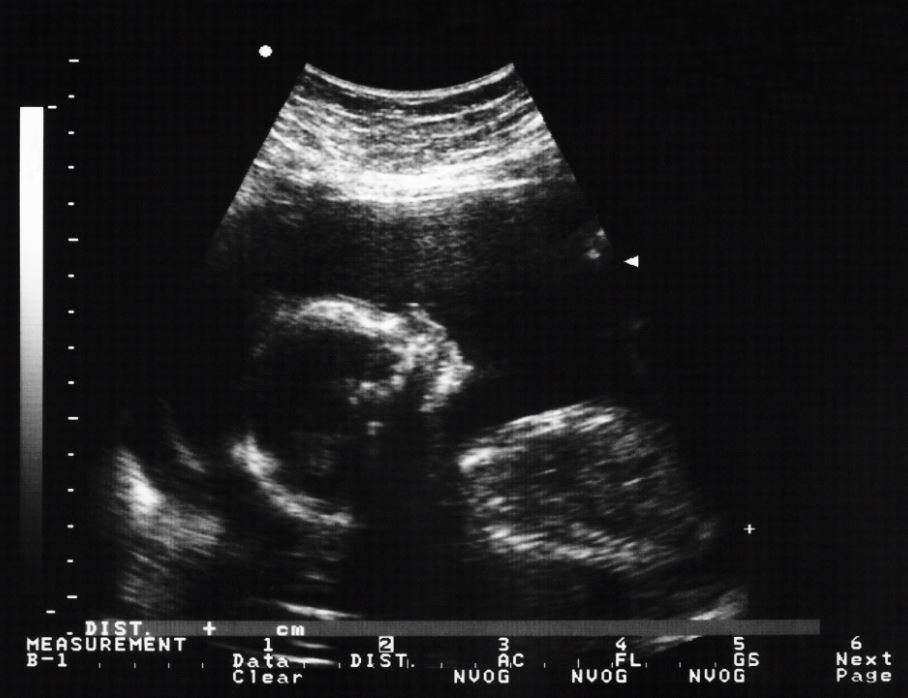
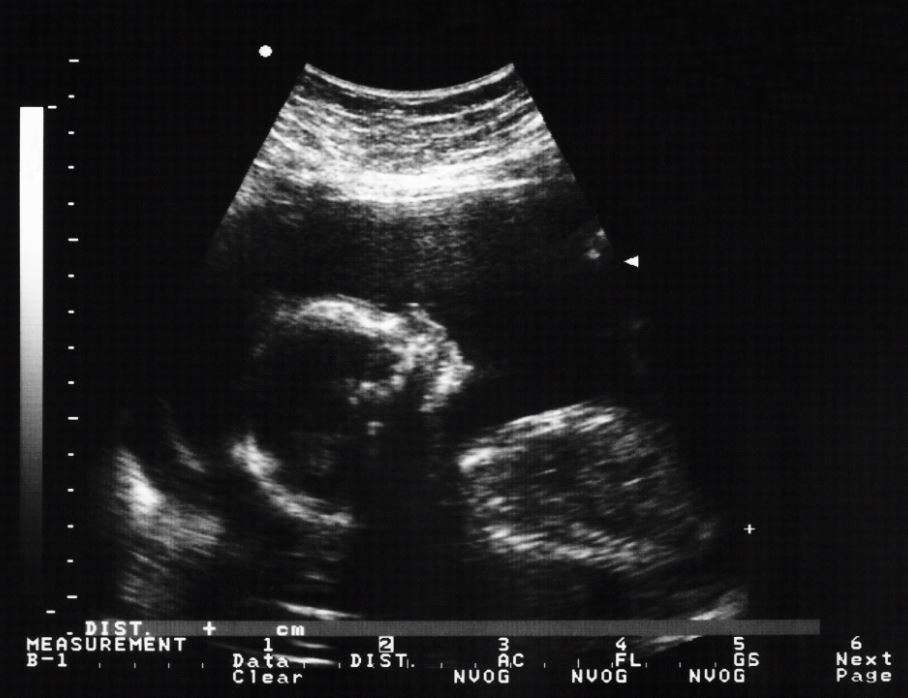
The amniocentesis It is a study that is carried out during pregnancy, normally between weeks 16 and 22. It allows extracting information about the baby, in order to study possible disorders in the fetus. In this diagnostic test, a small amount of amniotic fluid is extracted, which is what surrounds the fetus and protects it. One of the most common reasons for performing it is to determine if the baby has a chromosomal abnormality, such as Down syndrome.
What is amniocentesis?
The baby develops surrounded by amniotic fluid, which is a substance intended to allow the fetus to move comfortably within the wall of the uterus. This liquid also contains other components that are necessary for the growth of the child, plus cells detached from your body.
But, specifically, what is amniocentesis? This term comes from amnion, the bag that encloses the amniotic fluid, and “centesis,” which means puncture. This prenatal test consists of the extraction of amniotic fluid surrounding the fetus. In short, it refers to the procedure of inserting and absorbing a little amniotic fluid through the mother’s abdomen with a needle, for later analysis.
How is amniocentesis performed?
To do this, first an ultrasound is done to locate the embryo in the uterus. After about twenty milliliters will be extracted, that is, a little liquid. Local anesthesia is not used in this procedure, although a cream can be used to numb the area.
The fluid is obtained through a puncture with a fine needle that is inserted through the abdominal wall and the uterus. While the puncture is being performed, an ultrasound is performed so that the extraction of the liquid is correct. This procedure usually lasts 20-30 minutes and you may feel a sting or pressure during the test, although you may not feel any pain.

Non-Invasive Prenatal Test
In addition to amniocentesis, IVI offers the possibility of performing the Non-Invasive Prenatal Test from week 8 of gestation to know possible chromosomal alterations of the fetus. Although in no case is it proposed as a substitute for amniocentesis, this complementary non-invasive test detects 99.7% of fetuses with Down syndrome, as well as other frequent anomalies (chromosomes 18, 13, X and Y) with identical reliability. The Neo24 non-invasive prenatal test analyzes the 24 chromosomes, detecting abnormalities in the 22 pairs (autosomes) and the most common ones that occur in the sex chromosomes (X and Y).
When should amniocentesis be performed?
Despite its relative normality, mothers are concerned when talking about this analysis. When should an amniocentesis be done? As we explained, this will happen when the doctor deems it necessary to complement other tests and thus rule out possible dangers to the fetus. An amniocentesis test is usually requested for women over the age of thirty-five.
It is from this age when the risks for the fetus of suffering chromosomal abnormalities increase. The analysis will also be requested when there is a family history that point to a possible genetic problem. The test is usually performed between sixteen and twenty-two weeks after the last menstrual period.
On the other hand, according to Cochrane reviews, which consist of an exhaustive analysis of existing medical evidence, amniocentesis is safer after sixteen weeks of gestation. The researchers point out that the safest time is between these sixteen and eighteen weekswhich coincides with a slight variation with the stadium at which it is commonly performed.
Amniocentesis: for whom is it indicated?
This test is recommended to be performed in patients who present a high risk of chromosomal or genetic alterations in the fetus. Some of the cases in which it can be recommended are:
- Women with advanced maternal age, that is, over 35-38 years
- In those cases in which the prenatal test has shown some type of alteration
- In patients with a family history of chromosomal or genetic abnormalities
- When some type of anomaly has been detected in the ultrasound
What results are obtained from an amniocentesis?
As mentioned, amniocentesis analyzes the amniotic fluid that surrounds the fetus. Therefore, this test helps to detect chromosomal or genetic alterations in the fetus. Some of the anomalies that can be identified refer to the number or structure of the chromosomes, which would diagnose syndromes such as Down, Edwards or Patau, among others. On the other hand, this test is also used to detect genetic problems in the fetus, as well as to know the general state of health.
Does amniocentesis hurt?
Another of the big questions about amniocentesis is whether it hurts. Each person has a pain threshold, and factors such as nervous state make each case different.
Several studies have addressed this issue in search of an improvement in the quality of the analysis. At first, the test may seem painful. However, surveys and studies carried out on patients show that in reality the perception of pain does not meet expectations. In other words, that amniocentesis test it hurts much less what it seems like.
In fact, other studies suggest that the process is very smooth. so much that the administration of Local anesthesia does not help to reduce pain which is quite light in itself, this is due to the area where the treatment is performed is not especially populated by nerves responsible for nociception (the perception of pain) so it is barely noticeable.
How to prepare for an amniocentesis
It is likely that facing this test will generate some kind of concern during the previous days. Therefore, we are going to give you some advice that can help you in the face of performing amniocentesis:
- Talk to your doctor about the test and consult all the doubts that haunt you
- Mentally prepare for the test, given the stress associated with taking it. Trust friends or relatives who have gone through this experience and who can understand and advise you
- Follow the specific instructions of your doctor, trust and follow them in detail
Rest after amniocentesis
Despite being an invasive test, the physiological impact of the test is minimal. After the intervention, moms can safely return home and even to work. Nevertheless, there are indications that it is best to rest for forty-eight hours after of the test to avoid fluid loss or possible complications. As always, it will be the medical professionals who will indicate the best way to proceed.
Is it necessary to do an amniocentesis after PGD treatment?
He PGD It consists of a technique for the diagnosis of genetic and chromosomal alterations in embryos before they are transferred to the maternal uterus. The study is carried out on embryos obtained through procedures of in vitro fertilization through intracytoplasmic microinjection.
During the third day of embryonic development, a biopsy is performed, which consists of extracting one or two cells from each embryo. From this biological material, and during days three and four, the genetic analysis is carried out, while the embryos continue their development in the incubators. On days four and five of embryonic development, the diagnostic result is obtained, which makes it possible to identify and transfer healthy embryos to the mother.
To find out more about whether it is necessary to do an amniocentesis after PGD treatment:
It is true that performing a Preimplantation Genetic Diagnosis does not exclude the performance of amniocentesis, but the test that is normally performed in the 12th week of pregnancy, by means of ultrasound and analysis, will depend on the result. This test is used to estimate the probabilities that the pregnancy presents some genetic or chromosomal alteration. Therefore, if this test shows a high risk, it will be necessary to perform amniocentesis even if a PGD has also been performed.
The post Amniocentesis appeared first on IVI.
