


Progesterone and pregnancy: What is the relationship between the two?

- A progesterone below the 9ng / mL the day of the embryo transfer decreases pregnancy rates significantly
June is the month of fertility and we want to cover all the topics related to it. This time, we want to know more about a hormone, known to all of you: progesterone. For this reason, we have asked the doctor Elena Labarta, gynecologist of IVI Valencia Tell us how progesterone influences assisted reproduction processes and what is the latest IVI research on this matter

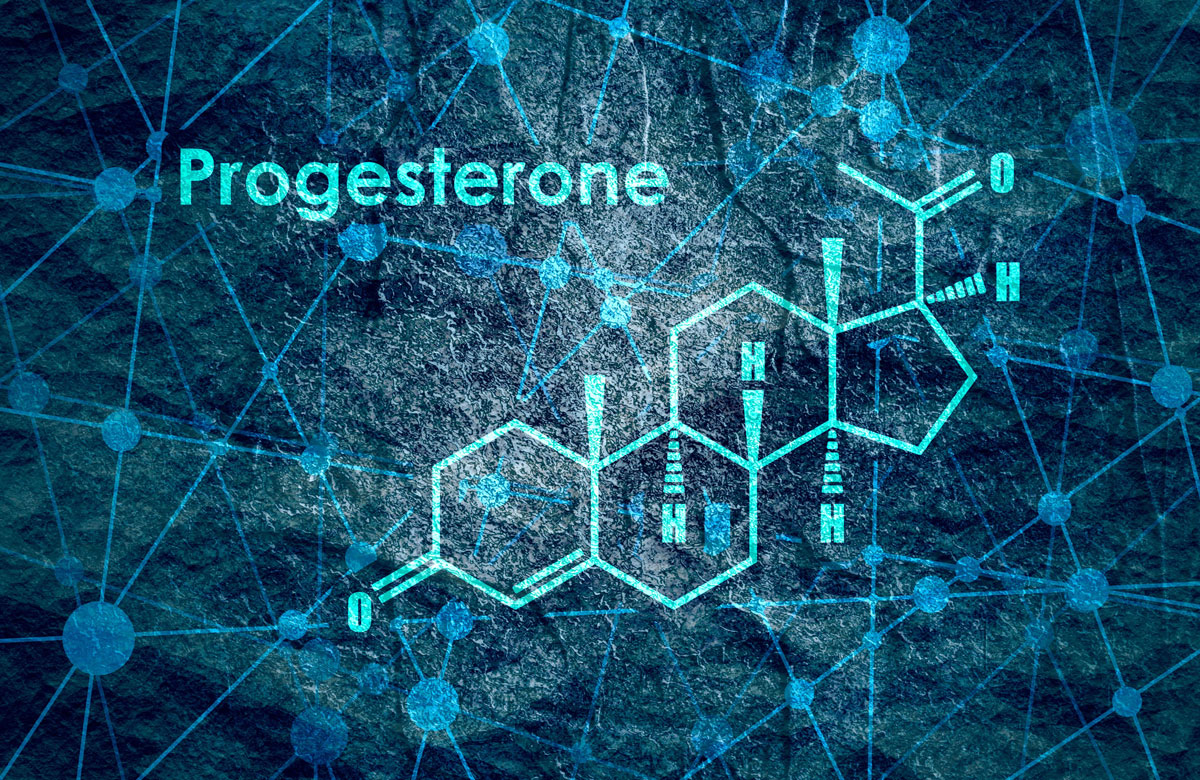
The progesterone, as its name suggests, is the hormone that promotes pregnancy (Pro-gestation) through different actions, such as making the endometrium (where the embryo nests) receptive and, after implantation, helping the pregnancy run its course and preventing miscarriages.
That is why, in Assisted Reproduction treatments, we support the luteal phase (or second phase of the menstrual cycle) with progesterone, in order to ensure that the patient has met the needs of this essential hormone at a critical time such as the transfer of the embryo into the uterus and the following days, when the embryo implantation.
Progesterone and luteal phase
Luteal phase support is carried out with exogenous progesterone, which is called “natural” because its molecule is identical to that produced by the patient’s body, so there is no risk. It can be administered by many routes but the vaginal is the most used to date for its rapid absorption.
Until recently, the value of progesterone measured in blood (serum) was not given importance when we administered exogenous progesterone, because it is well known that it does not correlate with the value of progesterone that actually reaches the uterus. However, and thanks to research that we have carried out in our IVI clinics in the last 3 years, we have shown that the patient must achieve a minimum level of progesterone in the blood to favor the chances of success in in vitro fertilization.
Progesterone on the day of transfer
Studies to date have included nearly 1400 patients undergoing embryo transfer in the context of an artificial endometrial preparation cycle or with hormone replacement therapy. Thanks to the study design, we were able to detect the critical cut-off point below which pregnancy rates decrease significantly. This cutoff point is around the 9ng / mL when measured the day of the embryo transfer.
Fortunately, we have been able to demonstrate a posteriori how to solve this situation. In other words, in those women who have blood progesterone levels below this critical threshold, we have added a extra progesterone support and we have shown how by doing so, results are no longer impaired.
After analyzing almost 2000 patients in a substituted cycle, we were able to detect that approximately 30% have progesterone levels below the optimal threshold, when they receive vaginal progesterone. All of them were treated with more progesterone (in this case subcutaneous progesterone was added) and we saw how your results were exactly the same as those with proper levels from the start.
Therefore, we detect a problem, establish the critical cut-off point objectively, and finally we have been able to deal with this situation with very satisfactory results.
Our mission is to continue investigating in order to find all those factors that can influence the chances of success of our infertile patients. Among them, the management of the luteal phase is essential and, therefore, our research continues in this line, hoping to be able to publish soon the results of the other lines of research that we are carrying out.
Elena Labarta
Gynecologist
IVI Valencia


