


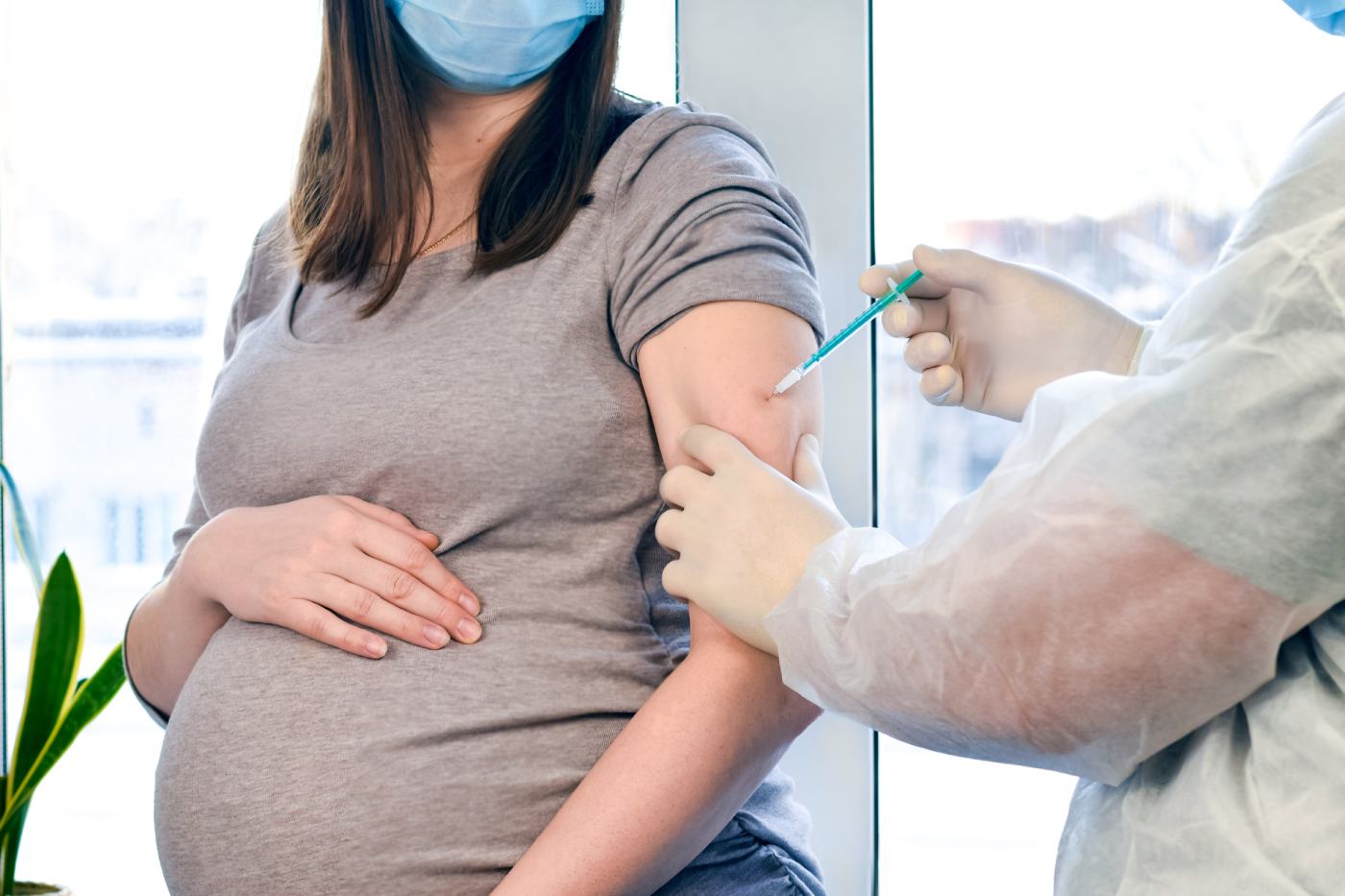
Two years have passed since the start of the COVID-19 pandemic and it is still a topic on everyone’s lips. More than twelve months have passed since vaccination against this virus began in our country, but it still raises many questions. In those referring to our field, almost all focused on the possibility or not of reconciling the start of fertility treatment with the vaccine or the incidence of these on fertility. For this reason, we have asked Dr. Antonio Requena, medical director of IVI, to resolve the most frequent doubts related to the COVID-19 vaccine and its relationship with fertility.
Does the COVID vaccine affect fertility?
Since vaccination began in our country, even more so in the affected age groups, many doubts and debates have been generated about whether vaccines affect fertility. So far, it is known that there are times when the COVID vaccine could have caused some type of delay in menstruation. But this does not affect assisted reproduction treatment in any way, nor does it justify delaying it. When starting an ovarian stimulation, the medical team can program the start of it. And in those cases of embryo transfer, they usually work with a substituted cycle. In addition, the data we have, which we have published and sent to various scientific congresses, tells us that the response in women with ovarian stimulation before and after vaccination or infection by coronavirus does not show any relationship.
Should I wait to undergo assisted reproductive treatment after receiving the vaccine?
There is no reason to postpone starting fertility treatment because of the COVID-19 vaccination. It should be remembered that mRNA-based vaccines (those from Pfizer or Moderna) are the ones that are currently being used in the majority in our country. These contain a material that helps make the virus protein and create antibodies. That is why at no time has it been recommended to delay the start of a cycle, a treatment or the search for pregnancy naturally. Regardless of when the vaccination occurs, fertility treatment can be started without any problem, since at the moment there is no scientific evidence to the contrary.
And after passing the disease?
No, the COVID-19 infection does not force us to postpone treatment either. In this sense, the only reason to delay the start of fertility treatment would be to test positive for COVID. The indication to follow in these cases is that dictated by the health authorities, through the corresponding quarantine time, as for any other activity. Once this quarantine period is over, we can start any fertility treatment.
Does the vaccine affect ovarian response and pregnancy rates?
The data we have, collected both in the literature and with our own research, show that both the ovarian response and pregnancy rates are similar in women before and after administration of the vaccine.
On another level, it should be remembered that, since the start of the pandemic, at IVI we have investigated to offer you the most information regarding a virus that was totally unknown. In this sense, a few months ago we told you about a study carried out to find out if the COVID-19 infection affected the ovarian reserve of women. This study was carried out between May and June 2020, among women who had a previous AMH test and who had overcome the disease. The results were clear and very positive: COVID-19 infection does not affect the state of the ovarian reserve. This joins other publications of the group together with new works sent to the next international congresses on assisted reproduction.
Finally, it should be noted that since we resumed the start of activity in our clinics, we have not abandoned the maximum protection measures, both for patients and for their workers. In this way, we have been working for months as normally as possible and carry out treatments regularly, but without forgetting the protection measures.
Share on social networks