


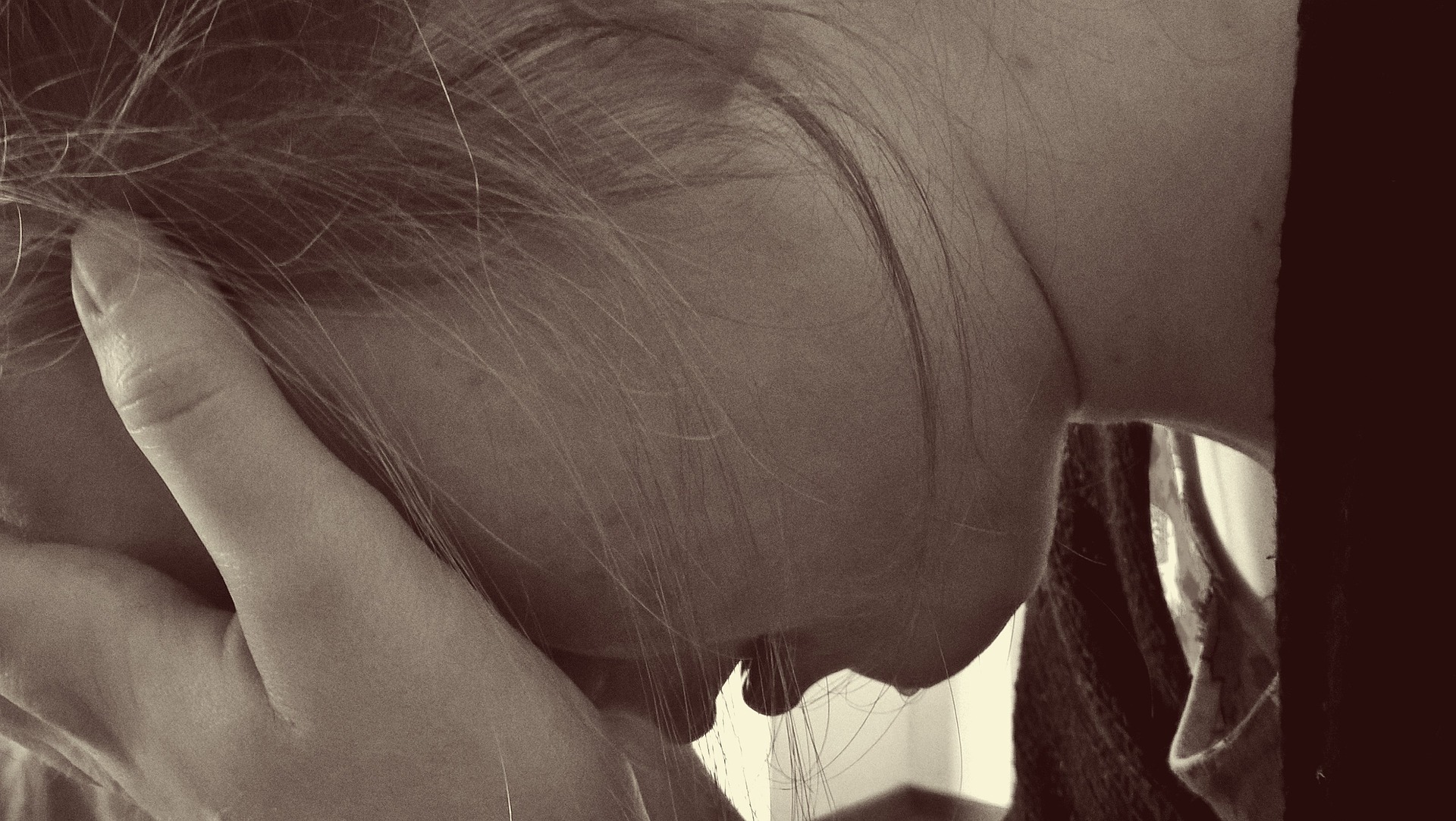
Anxiety attacks occur when the body is exposed to extreme situations or interpreted as limits. It is known to be an anxiety attack when you feel a feeling of general distress or fear. Many of the anxiety attacks are produced by stress, although suffering an episode of this type can mean that you have some type of mental disorder.
These types of attacks are very similar to those of a heart attack, so it is relatively common for people who face anxiety attacks for the first time to worry and go to a hospital or health center. Although if it is true that some anxiety attacks can end in a heart attack, it is not usual, and if you ever suffer from one, it is recommended that try to relax by counting slowly to 20 and breathing very slowly.
Symptoms of an anxiety attack
An anxiety attack can be diagnosed from several symptoms, the most representative and general of all being that of a feeling of general distress. If we dig a little deeper, we can also see that the subject suffering from the anxiety disorder also has palpitations and a high heart rate. To this tachycardia, a feeling of suffocation is added with a very rapid breathing, you feel like you are short of breath. Your chest is tight and you feel that something very heavy is on top of you.
This horrible feeling arises from the fact that your body, alerted by the fear or danger that your head may have suggested, prepares for you to flee and disposes you with a feeling of discomfort, fear and panic that makes you not want to continue in the same place. This type of body reaction is instinctual character and it belongs to the animal side that the human being has.

Another of the symptoms and in turn a consequence of the anxiety attack is the excessive sweating and chills, which derive once again from the desire to flee, since the body activates all its muscles and the body temperature rises. But when fear takes over tremors, nausea, and abdominal discomfort arise, which also arise from an increase in adrenaline in your blood and the desire to empty your stomach from your body.
When an anxiety attack occurs, the psychological burden is very great, so the consequence of this is that various anomalous behaviors arise, such as the feeling of unreality. This happens to us because the situation surpasses us, and as such, we interpret it as something unreal.
The persistence of fear that the anxiety crisis has produced in your head is also a symptom of these attacks.You cannot stop thinking about what has caused your anxiety attack, and this makes you feel restless and restless. Feeling like this makes you more irascible and tired than usual, since the persistence of fear also accompanies you at night, which makes it more difficult for you to sleep and rest well.


