



Being sick is one of the conditions that expectant mothers avoid most during their pregnancy. Certainly, there are many expectant mothers who do not even want to mention the name of the flu, especially due to the bird flu epidemic we are in. For pregnant women who know that every step they take affects their baby, taking medication is not preferred as much as before. In this case, the first thing that comes to mind is what to do when catching the flu, no matter how careful one is. Before answering this, it is necessary to get to know the flu better.
Don’t Take The Flu Lightly
Flu, caused by influenza viruses, is a serious disease that causes widespread epidemics every year. According to the data of the American Center for Disease Control, 10-20 percent of the population gets flu every year and an average of 114 thousand people are treated in the hospital for the flu. More than 20 thousand people die from the flu. Since the virus that causes the disease changes form very frequently, it can cause widespread epidemics. For this reason, it is not quite right to define flu as a simple winter disease.
Influenza caused by droplet infection and viruses passing through the respiratory tract; It manifests itself with symptoms such as sudden rise of fever, chills, headache and muscle aches, body malaise, tearing and burning of the eyes, dry cough, runny nose and congestion. While the fever usually lasts for 2-3 days, it can rarely extend up to 5 days. After fever, general body complaints begin and respiratory system complaints increase. One of the most important findings is dry cough.
The most dangerous aspect of flu is the risk of causing much more severe diseases such as pneumonia. For this reason, it should never be forgotten that the mother-to-be is at a higher risk of complications by causing changes in the immune system as well as the circulatory and respiratory systems during pregnancy. Because the flu’s course with various complications during pregnancy can threaten the health of the baby and cause the expectant mother to be uneasy.
According to Research, Pregnant Women are at Risk
According to a study investigating the effect of flu on pregnant women, the rate of hospitalization of pregnant women who have completed their 6th month of pregnancy due to heart or lung problems is matched with women who are not pregnant but have serious underlying diseases. This risk increases further in the later stages of pregnancy. 37-42 weeks pregnant women are 5 times more likely to be hospitalized due to heart and lung problems than women who have had the first 6 months postpartum. Pregnant and also women with asthma are at particularly high risk of hospitalization during flu season.
What if the flu hurts my baby!
In addition, the flu virus is not a disease that is expected to pass to the baby under normal conditions and creates unwanted conditions in the baby. However, if the fever exceeds 39 degrees when the flu is severe, the baby may be adversely affected. In fact, being in the last months of pregnancy can even cause birth pains. For this, high fever must be controlled. Of course, this intervention should be performed by a doctor. In addition, in cases where the cold turns into sinusitis and cough into bronchitis, it may be necessary to use antibiotics with the doctor’s recommendation. However, no medication should be taken without consulting a doctor.
Can Flu Vaccine Be Done While Pregnant?
Since the flu vaccine is an inkative virus vaccine, that is, it does not contain live viruses, it is not harmful to use it during pregnancy. However, it is useful to consult a doctor about vaccination as well as taking medication during pregnancy. Because in such a case, only your doctor can tell which treatment will be appropriate during pregnancy and work best in your case. Expectant mothers who get approval from their doctor need to take the developmental processes of their babies into account in order to be vaccinated. The biggest factor in this is that the first three months is an important period for the development of the baby. In addition, the first three months is a period with a high probability of miscarriage. Therefore, at the end of the first three months, the mother-to-be can vaccinate as the development of the baby is completed. Thus, some of the antibodies that develop in the expectant mother are also passed on to the baby and are effective in protecting her against flu in the first months of her life. After vaccination, it takes 1-2 weeks for antibody to be produced and protection to begin. The protection of the flu vaccine varies between 70-90 percent. On the other hand, because eggs are used in the preparation of the vaccine, those with egg allergy should not be administered flu vaccine. However, breastfeeding mothers can safely get a flu shot.
Consult Your Doctor For Treatment
Despite all the precautions taken, expectant mothers can get this disease. Flu, which negatively affects the daily lives of even normal people, is much more difficult for pregnant women. Expectant mothers who think that taking medication will harm the baby may find it difficult to overcome the flu process because they refuse to use medication. Therefore, if flu symptoms occur, the first thing to do is to consult a doctor immediately. After a general examination, the doctor may prescribe a variety of medications to relieve symptoms. As with other people who have had the flu, expectant mothers should rest, take care of their nutrition and sleep patterns. 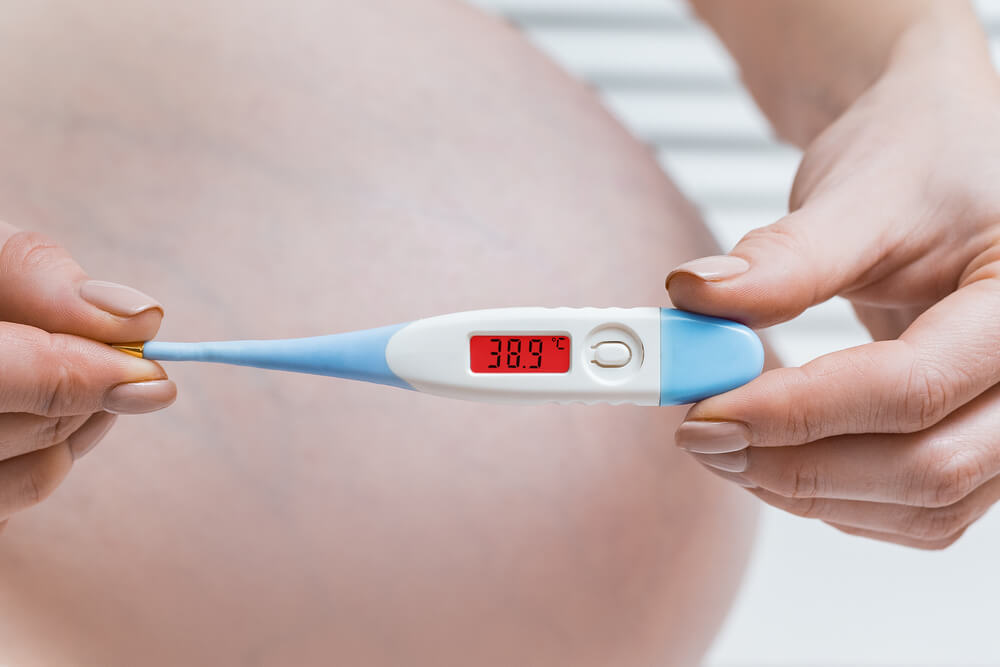
Try Natural Remedies Instead of Medicine
You are pregnant and you are also flu. You are not taking medication and the only thing you can do is rest. Although resting is the biggest medicine for flu, it is possible to alleviate the negative effects of flu with natural methods you can do at home.
For example, if your nose is blocked, it would be healthier to prepare a saline solution by dissolving a teaspoon of salt in half a liter of water at home, since you cannot use nasal drops. Sucking this mixture through a pipette can relieve nasal congestion.
You can soothe your cough with honey and warm milk. You can also reduce your cough by drinking warm lemon or apple juice.
In addition to the tablets recommended by your doctor for your sore throat, mouthwash with sage tea can also be good for your pain.
Flu symptoms
- Muscle pain
- Dry cough
- Nasal congestion and difficulty breathing,
- Runny nose
- Fire,
- Shake,
- Headache, which can be severe
- Anorexia,
- Weakness
- Tiredness.
So What Should You Do To Avoid The Flu?
Measures taken before you get a disease will benefit much more than the effort you will spend to recover later. For this, you need to be very careful not to catch flu, especially while pregnant. For this, it may be very beneficial for you to take the following measures.
- Avoid crowded places as much as possible to reduce the risk of contracting flu during the flu seasons, namely between November and March. Avoid close contact such as kissing and shaking hands.
- Consume plenty of foods containing vitamin C to increase your body resistance.
- Try to drink plenty of fluids. Fever, sneezing, and a constantly running nose cause fluid loss in your body. Keep a thermos full of hot grapefruit or orange juice next to your bed and drink one cup of these, at least once an hour.
- Make sure that your environment or your home is well ventilated and warm enough.
- If you have finished the first trimester of your pregnancy, get the flu shot.
Situations You Should Consult a Doctor:
- If you are in a high risk group,
- If your temperature rises above 38.5 degrees and does not decrease within a few days
- If there is difficulty in breathing,
- If chest pain occurs,
- If there is severe earlobes, discharge from the ear and bleeding,
- If rash and redness occurs,
- If neck stiffness occurs,
- If you think you have not recovered within a few days and you are seriously ill


