


[ad_1]
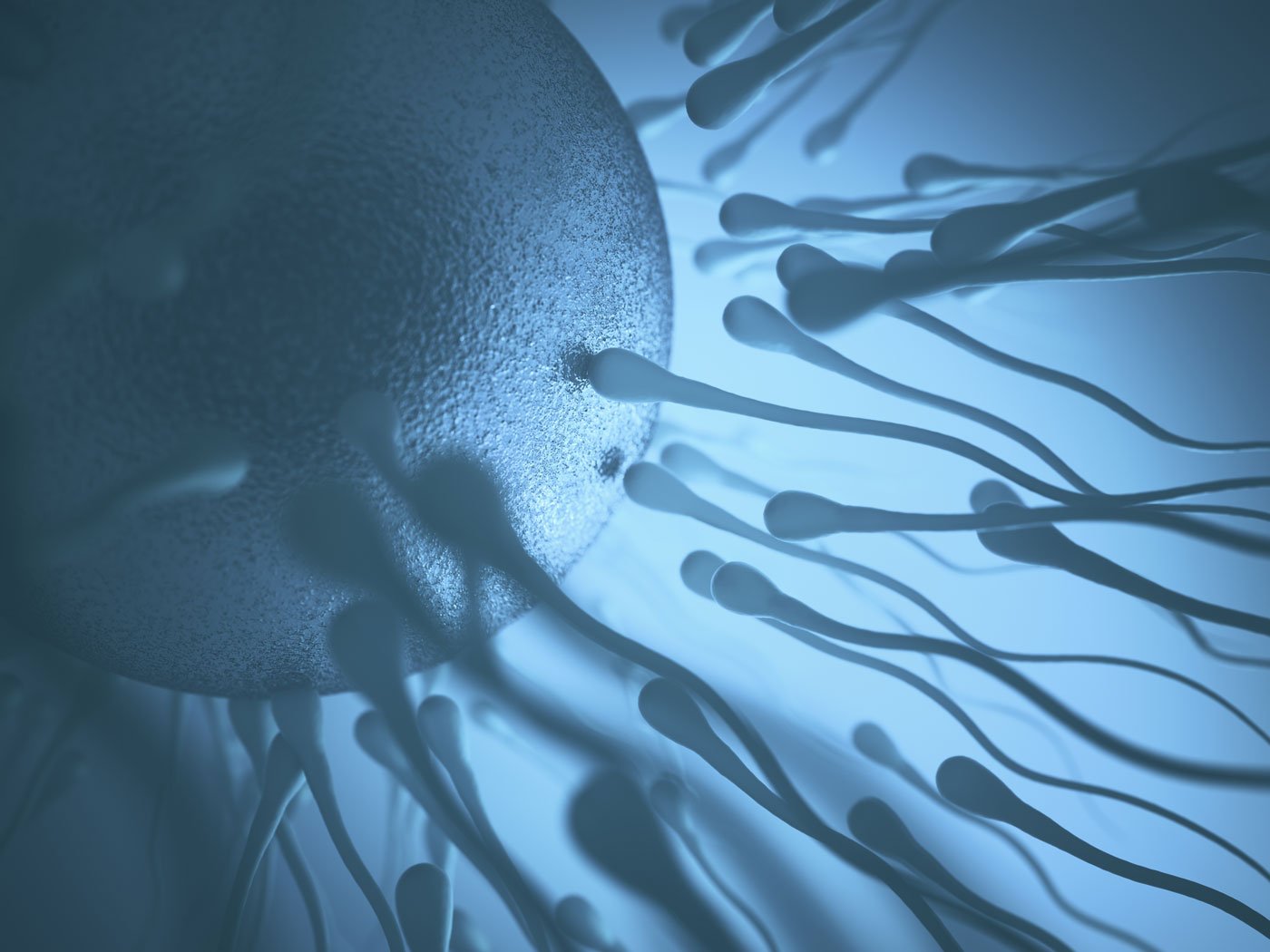
In recent years, the incidence of autism spectrum disorder (ASD), known as autism, has increased significantly. In Spain alone, today there are more than 450,000 diagnosed cases. Now, an IVI study reflects that a greater predisposition to autism can be predicted in the offspring of males.
Sperm biomarkers show predisposition to autism in offspring
The increase in diagnosed cases of autism in our country may be due to improvements in diagnosis and a greater degree of awareness. On the other hand, many researchers indicate that the increase in cases, produced in the last two decades, could be due to molecular factors and the influence of the environment.
In this sense, the study “Sperm DNA Methylation Epimutation Biomarker for Paternal Autism Susceptibility”, recently published in the journal Clinical Epigenetics in XDATE, shows how, based on biomarkers identified with human sperm, the predisposition of a man to conceive children with autism could be observed.
“These biomarkers are epigenetic, which means that they involve changes in the molecular factors that regulate the activity of the genome, such as gene expression, independent of the DNA sequence. And that in some cases they would not only cause autism in the offspring, but could also be transmitted to future generations “, explains the doctor Nicolás Garrido, director of the IVI Foundation and author of the study.
The study has identified a set of specific biomarkers within the so-called “DNA methylation regions” – a chemical alteration produced when a methyl group attaches itself to a DNA chain, which can activate or deactivate genes – in samples of sperm from men whose children had autism spectrum disorders, different from that of men who conceived children without ASD.
It will be possible to predict the greater predisposition to autism in children
In a more advanced phase of the study, based on what was explained above, the researchers were able to determine, among a set of problem samples, during a blind study, which semen samples corresponded to parents of autistic children. The results obtained had a precision of 90%, demonstrating the predictive capacity of the test.
“This will allow us, in the future, to assess whether a man has a high risk of having a child with ASD, which is a huge step towards identifying the factors that can trigger this disease, as well as the creation of prevention strategies, since there are, in some cases, treatments for the correction of some epigenetic changes “adds Dr. Garrido.
In the current study, researchers from IVI, from the University of Valencia and the Washington State University analyzed the epigenetics of sperm –The molecular processes that affect gene expression–. They did it in a group of 26 men: half with children diagnosed with autism and the other half whose offspring did not have ASD, focusing specifically on DNA methylation. The researchers detected 805 differential regions of DNA methylation that could potentially act as epigenetic biomarkers in the transmission of autism to offspring.
New IVI research
Research and tests are currently being carried out in order to expand the results obtained in this study. Thus, a potential medical tool could be developed. IVI researchers, together with specialists from other countries or institutions, are already immersed in a larger study, with the intention of analyzing a sample of more than 100 men.
“With further research, this biomarker would also allow us to track how epigenetic changes occur early on. We discovered years ago that environmental factors can alter the germline epigenetics of the sperm or egg. With this tool we could carry out studies on a larger population sample to determine what type of environmental factors can cause these epigenetic changes “, concludes Dr. Nicolás Garrido.


