


Despite the desire that everyone has to have a “normal life”, returning to the routine, especially for the little ones, can generate stress and anxiety. Just like when the holidays end, you have to start earlier with the change of schedules: sleep routines, food, hygiene, the best thing is to involve the children in the establishment of the new routines.
Routines offer many benefits to children, in addition to being learning, such as: security, autonomy, stability, constancy, organization, responsibility, cooperation and values.
How to establish routines?
During these days of confinement, new routines may have been created or there may be a little disorganization. In any case, we must begin to include changes to be able to rejoin the new activity.
The first thing is to tell the children, calmly and in a language adapted to their age, the changes that are taking place. Knowing what happens will help you avoid stress and detect if there is any fear. Avoid the overinformation to which adults are exposed, it is better if you tell them yourself or if you want them to see them it is better that you be with them and explain to them at that moment any questions they have about the news.
Then ask him to participate with the new routines, that is, if he has to go out with a mask, we can tell them that we are going to decorate them together to make them more beautiful; If we are going to meet a friend of his and we cannot touch him or approach him, what do you think we could do to greet him; etc. Getting involved in creating the new routines will make it easier for you to carry them out.
What routines will be necessary?
One of the biggest changes that we are going to notice, especially children, is the establishment of safety routines. From the moment we start going out, you have to get used to not approaching people, keeping at least 1.5 meters away. And children, from 6 years old, should wear masks, for this it is important to teach them how to put it on, how to take it off and to avoid touching the mask. And of course, you can not share toys, or use the swings in the parks.
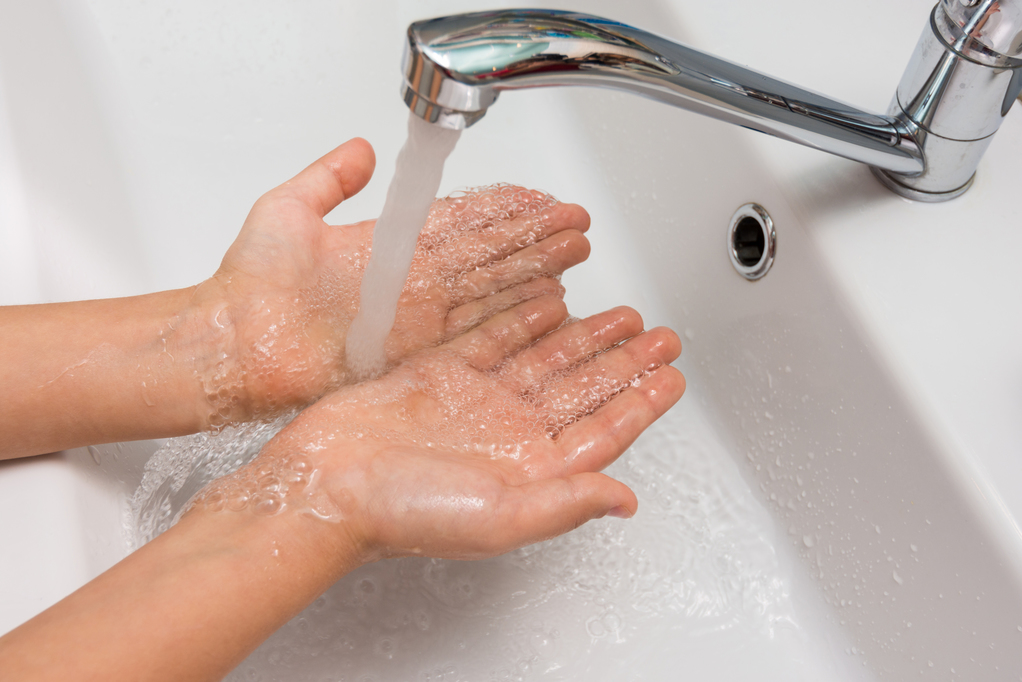
Another very important routine is that of hygiene. To avoid contagion or transmission of the virus, hands should be washed with soap and water before and after going outside, and while we are in it, hands should be disinfected frequently or every time they touch something. You should also avoid touching any part of the face while we are on the street, unless we first disinfect our hands. And of course, keep routines indoors, wash your hands before eating, after peeing, or when we get dirty.
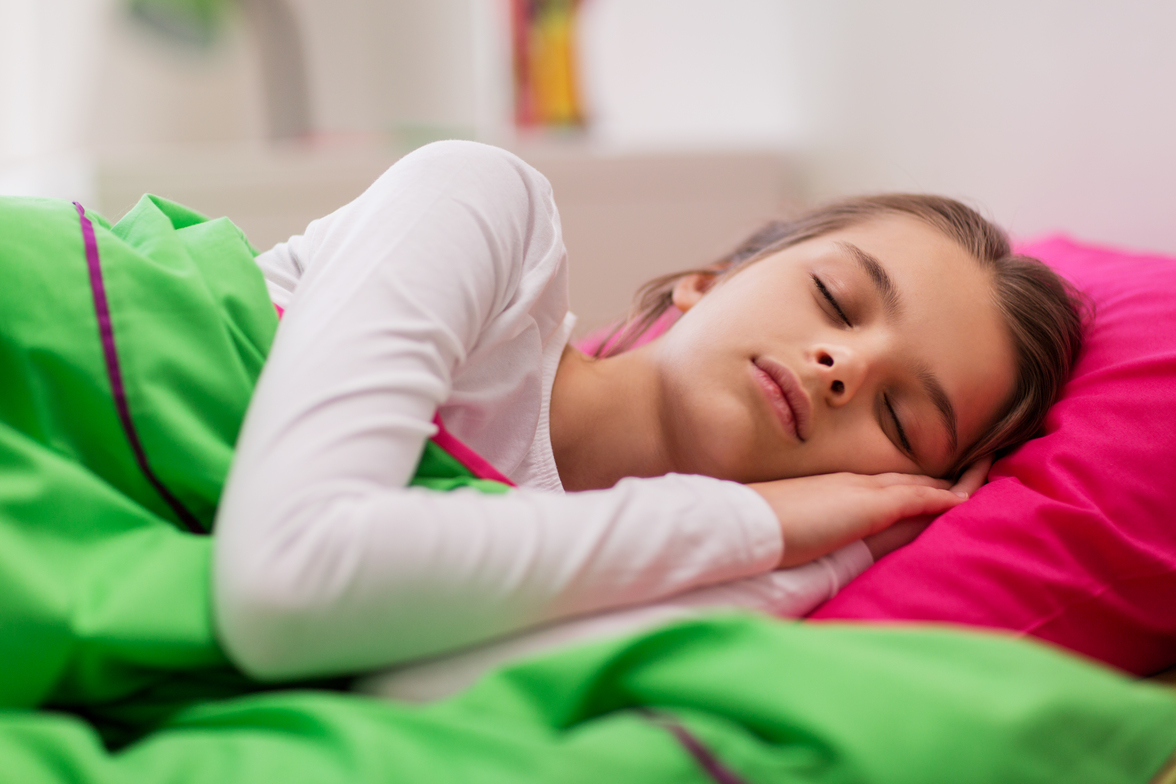
On the other hand, if we already have established routines of dream -go to bed at the same time, brush teeth, read a story, etc.-, foods -eat at the same time, although it can be differentiated between daily and weekends-, organization -Tidy up their toys, participate in chores as much as they can, etc-, and study -establish what days and for how long they have to be with school assignments-, then they must be maintained until the end of the course and the summer routines begin.


