


The isolation measures decreed due to the health crisis caused by Covid-19 are unprecedented. The main route of transmission was related to closeness to infected people, so all non-essential activities had to be stopped to contain the rapid transmission of the virus. However, the stoppage of economic activities has a series of negative consequences.
Knowledge about the virus is increasing, although there is still no vaccine. Different treatments are being tested to control the disease once it has been caught, different studies are being carried out in search of an effective vaccine and an analysis has been carried out to know the level of immunization in society. However, none of these situations is still optimal, it is foreseeable that it will take a few months to find a solution.
A de-escalation plan has been established by the Government in order to reduce or alleviate the pressure imposed on society and to avoid outbreaks of the disease. The objective is to resume the previous routines, reactivate the economy and minimize the risk of contagion, but are we going to return to the routines as we knew them?
What will change?
The transition will take place gradually and by territory, however, safety and hygiene measures must still be maintained until there is a vaccine and the population is immunized or the virus disappears. In the meantime:
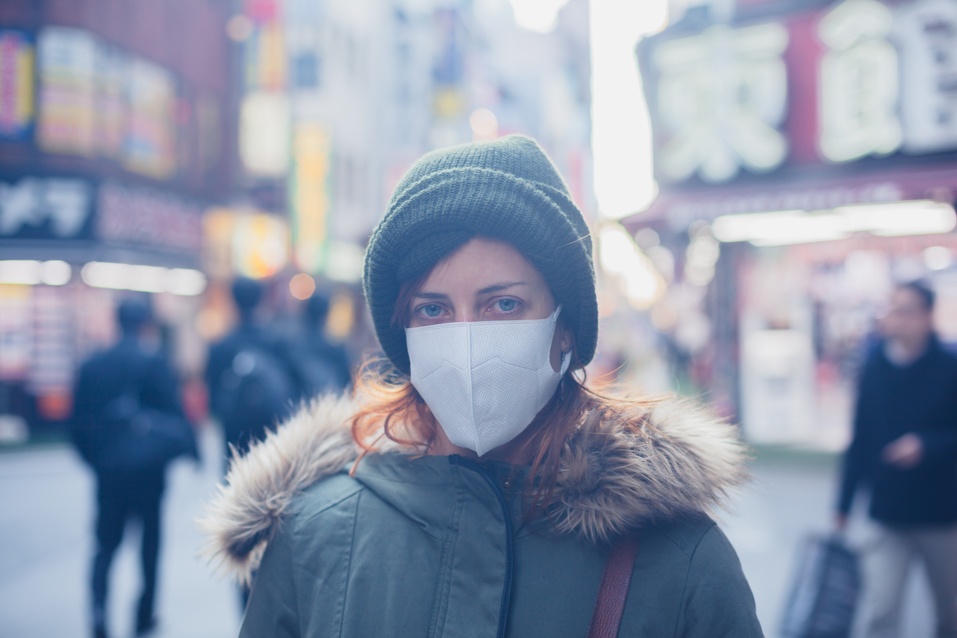
- Go out to the street: To resume our activity, we must regularly incorporate new routines such as social distancing. This measure implies being more than 1.5 meters from other people -who do not live in the same home-, wearing a mask to protect ourselves and / or avoid infecting other people and disinfecting our hands frequently.
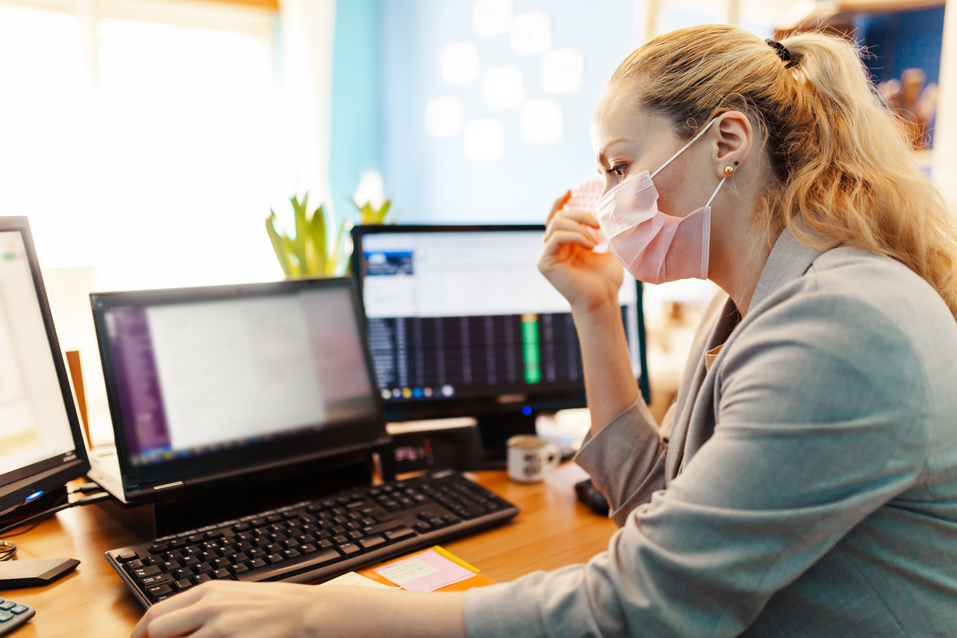
- Work: returning to offices, if not essential, will be replaced by teleworking. If it is essential to return to workplaces, safety measures and protocols for the employee must be included: disinfectant gel, distance between colleagues, safety screens, use of masks, etc.
- Schools: the return to schools is suspended until September, although it is valued that students in 4th year of ESO and 2nd year of Bachillerato can return earlier since the title is at stake. It is not yet known how the return will be, in any case it is said that students will be asked to maintain a safe distance, not to share materials, to use masks and to combine face-to-face education with on-line.
- Purchases: Buying in a store again will not be the same again. Products that are touched by customers must be disinfected or quarantined, in addition, a safety distance between customers must be maintained. For this reason, some stores are incorporating new technologies so that the customer can try the products without having to touch them. Applications that will show how a makeup looks, or how the article of clothing would be, etc.
- Holidays: once de-escalation phase III has been passed, the movement of people between different provinces will be allowed. This will be the time when many people will be able to enjoy a vacation. In addition to continuing to maintain hygiene and social distancing measures, there are already places that will offer complementary measures to ensure that the client is safe, such as: distance of two meters between sunbeds, limitation of capacity and time slots on the beach, etc. Many of them under study.
- Travels: it is very likely that travel to other countries will be limited. Once the de-escalation ends, tourism will be encouraged, but possibly favoring those countries with an epidemiological situation similar to ours. Likewise, rules will be established for the use of means of transport.
- sports: Outdoor sports can be carried out without problems as long as they keep a distance of 2 meters with other people. Carrying out sports within premises: gym, swimming pools, etc. It will take place at the end of the de-escalation, but always maintaining safety distances, with limited capacity and without being able to use common places such as: showers, lockers, changing rooms, etc.


