


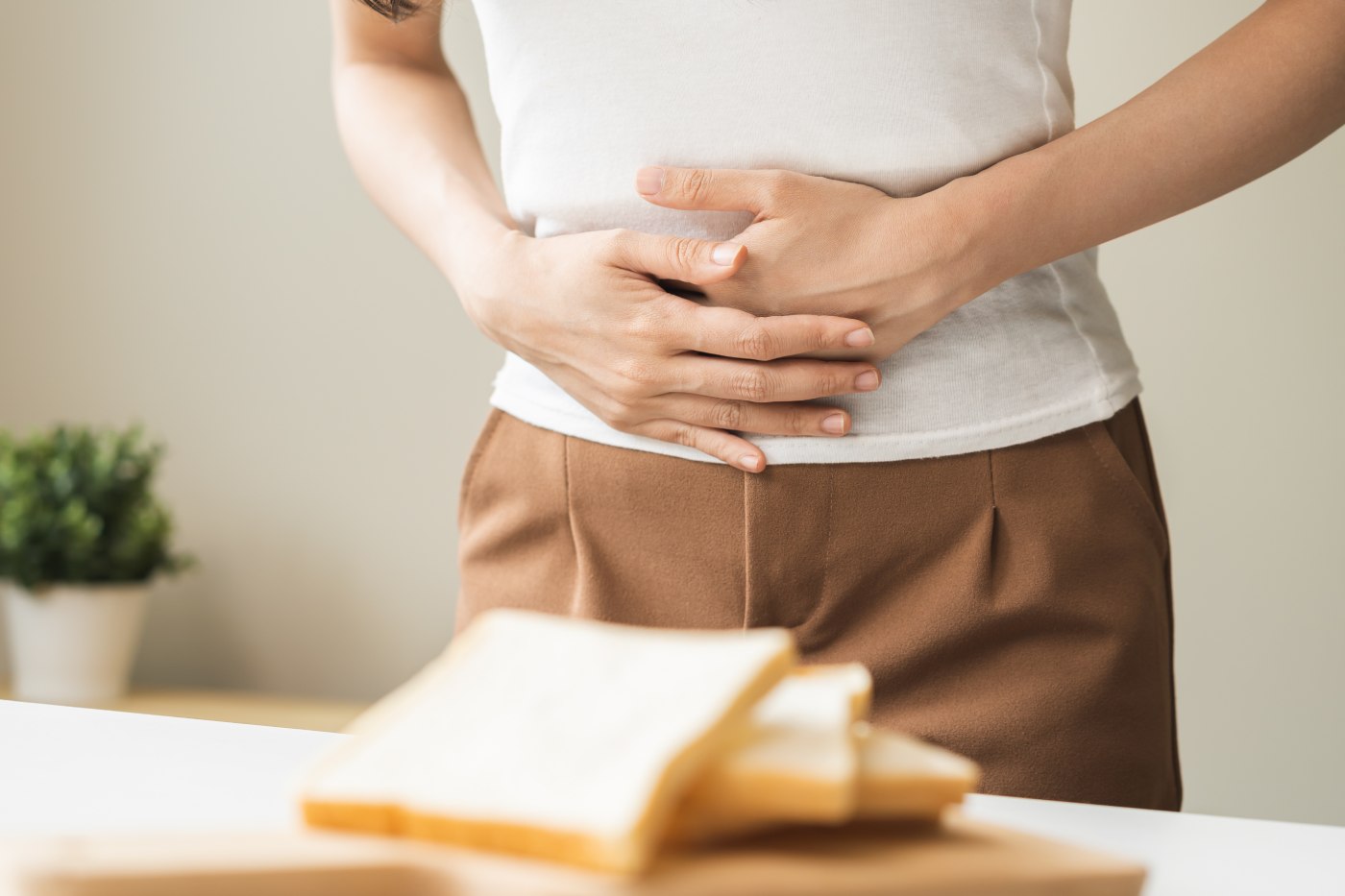
Celiac disease is an autoimmune pathology that affects the general population. It is also one of the diseases that we attend to in our Reproductive Immunology Unit, since it can be one of the causes of infertility or prevent the pregnancy from reaching term. For this reason, on Celiac Disease Day we have asked Dr. Diana Alecsandru, immunologist at IVI Madrid and head of said unit, to talk to us about how celiac disease affects fertility.

Is celiac disease a cause of infertility?
Celiac disease is a real and serious pathology. It occurs because the body does not tolerate gluten, causing intestinal inflammation with local damage that prevents optimal absorption of vitamins and nutrients. Despite the classic symptoms that affect the digestive tract, celiac disease can manifest with atypical symptoms such as infertility, abortions or systemic disorders such as migraines, joint pain, anemia, etc.
But, in addition, we must take into account that there are people who suffer from celiac disease and do not know it. In this sense, one of the consequences of suffering from this pathology is the incidence on fertility and the ability to carry a pregnancy to term. In fact, between 1 and 2% of our infertile patients who present implantation failures or recurrent miscarriages are diagnosed with celiac disease as a result of reproductive problems.
Fertility treatment for celiac people
As already mentioned, celiac disease is one of the pathologies that we treat at the IVI Reproductive Immunology Unit. There are cases in which the patient, when she puts herself in our hands to achieve her desire to be a mother, is already being treated for celiac disease and following her treatment for it. But there is another large part that does not know it and that presents this risk of not achieving the pregnancy. But why does celiac disease affect fertility? In the first place, due to the aforementioned deficiency in the absorption of nutrients, such as iron, folic acid or vitamin B12, which are so important in the search for pregnancy. Deficient levels of these elements in the body can affect ovulation, increase the chances of miscarriage or other complications that cause the pregnancy to not reach term. In the case of men, the deficiency of these nutrients in the body can lead to poorer semen quality. Another important mechanism is inflammatory mediated by the autoantibodies that the immune system produces in the presence of gluten, antibodies that are capable of interfering with embryo implantation and fetal growth.
Therefore, in a person who comes to our clinics and who has or is diagnosed with celiac disease, the recommendation will be to completely remove gluten from their diet, thereby lowering all the inflammatory markers related to this protein. If celiac disease is the only pathology that the patient presents, at the level of fertility, we will be able to correct the cause associated with embryonic losses and normalize their reproductive results.
Getting pregnant despite celiac disease
As a consequence of what was previously commented, in those cases of celiac disease diagnosed and treated, the reproductive results are the same as those of the general population. Therefore, the obstacle to achieving pregnancy would disappear by means of a gluten-free diet. In this sense, it must be taken into account that this recommendation applies only to people diagnosed with this pathology. Eliminating or reducing gluten from the diet in healthy non-celiac people will not increase fertility.
Other gynecological pathologies derived from celiac disease
As already mentioned, one of the consequences of untreated celiac disease is that the body is not able to use all the nutrients. This can affect other important aspects at the gynecological level, since this pathology has a higher incidence in women of childbearing age. Therefore, celiac disease can also cause:
- That the first menstruation (menarche) occurs later than usual
- irregular menstrual cycles
- Amenorrhea, that is, the absence of menstruation
- Early menopause, among others
At IVI we can help you become a mother with celiac disease
If you are trying to get pregnant and have been diagnosed with celiac disease, or suspect that you may have it (relevant symptoms or family history), at IVI we can help you. You can contact us by calling 900847300 or through the form to request an appointment at IVI. We have more than 30 years of experience leading the field of reproductive medicine and we have more than 30 clinics in Spain, with the aforementioned Immunology Unit, made up of professionals specialized in the field.


