


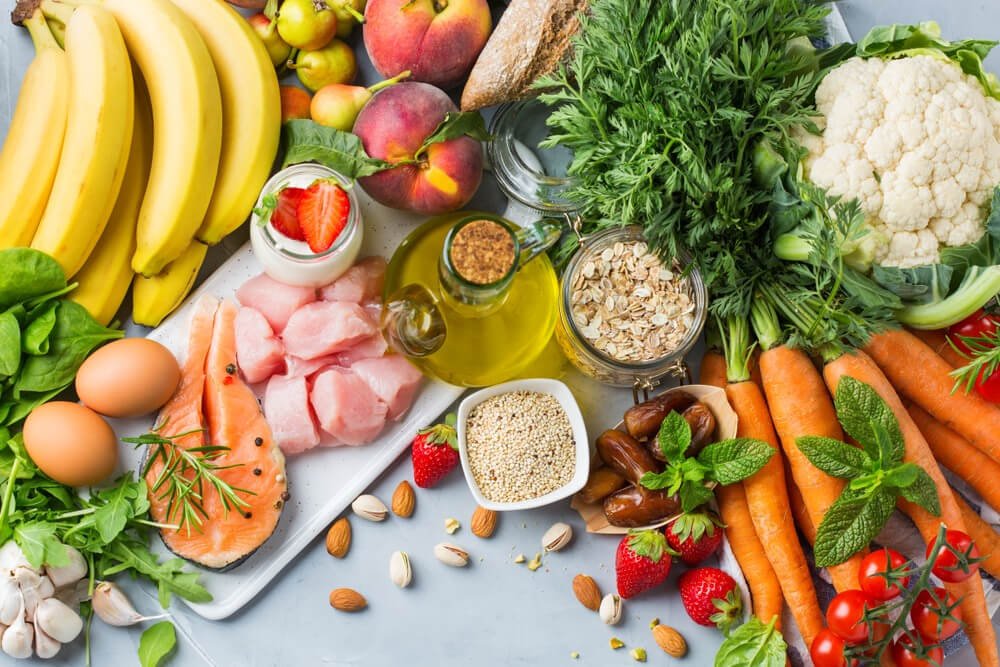
DASH diet to protect cardiovascular health and balance blood pressure; It is a form of diet aimed at portion size, consuming healthy foods, and getting the right amount of nutrients.
The abbreviation DASH comes from the English expression “Dietary Approaches to Stop Hypertension” and the Turkish is “Dietary Approaches to Prevent Hypertension”. The DASH diet is a form of diet designed to prevent or help treat high blood pressure (hypertension), targeting a lifelong healthy diet. DASH diet; It guides you to reduce the salt (sodium) in your diet and to eat in a variety of ways (foods rich in calcium, magnesium, potassium) that will provide lower blood pressure.
If the DASH diet is followed, you can reduce your blood pressure by a few units in just two weeks. Over time, your blood pressure may drop to 14/8; this is very helpful in protecting you from obvious health risks.
The DASH diet also reduces the risk of osteoporosis (osteoporosis), cancer, heart disease, stroke and diabetes. Although the DASH diet is not a weight loss program, you can also get rid of your unwanted weight when you start this diet because it directs you to healthy foods.
Sodium (salt) intake levels in the DASH diet
The key role of the DASH diet in reducing sodium is quite important, as sodium increases blood pressure (blood pressure) significantly and the effects of this situation are extremely important. The DASH diet aims to reduce sodium with two different options. In the standard DASH diet, you can consume up to 2300 mg of sodium per day. On the low sodium DASH diet, you can consume up to 1500 mg of sodium per day.
Both DASH diets aim to reduce the amount of sodium in diets containing 3500 mg or more sodium. The recommended maximum sodium intake in healthy eating habits to protect cardiovascular health is 2300 mg.
Both types of diets; It includes whole grains, fruits, vegetables, reduced fat milk and dairy products, fish, poultry and legumes. You can consume small amounts of red meat, sugary foods and fat. The DASH diet is low in saturated fats, cholesterol, and total fat.
Below are the recommended portions for each food group for a 2000 calorie daily DASH diet.
Cereal group (6–8 servings / day)
The cereal group includes bread, bulgur, rice, quinoa, corn and pasta.
- You should consume whole grain products because they contain more fiber and nutrients than refined grains. For example, use brown rice instead of white rice, use whole-grain pasta instead of regular pasta, or use whole-grain bread instead of white bread. When purchasing a product, choose products with a ‘hundred percent whole grain’ label.
- Cereals are naturally low in fat foods. So avoid adding butter, margarine, cream or cheese sauces.
Vegetable group (4-5 servings / day)
Tomatoes, carrots, broccoli, sweet potatoes, greens and other vegetables are rich in fiber, vitamins A, C, E and some minerals such as potassium and magnesium. An example of a portion of the vegetable group is 1 bowl of raw vegetables or 6 tablespoons of cooked vegetables.
- Do not think of vegetables as plain side dishes. The vegetable to be eaten alongside brown rice or whole grain noodles becomes the main dish.
- Fresh or frozen vegetables are both good choices. When buying frozen or canned vegetables, choose those with a low sodium or no salt label.
- Increase your vegetable portions to stay fit during the day. You can cook a large amount of vegetables together with some meat to get a nice meal.
Fruit group (4-5 servings / day)
Many fruits require little preparation to get a healthy snack or meal. Like vegetables, fruits are rich in fiber, potassium, magnesium and low in fat (except avocados and coconut). An example of a portion of the fruit group can be 1 glass of fresh, frozen or canned fruit or 1 medium fruit.
- You can add some fruit to your salads. You can also consume fresh fruits with low-fat yogurt.
- Consume fruits such as apples, pears and quince with their peels. The seeds of apples, pears and most fruits give a nice structure to the recipes made from these fruits. In addition, they are rich in fiber and healthy nutrients.
- Some citrus fruits such as grapefruit and their juices may have an adverse interaction with medical drug treatments. Therefore, consult your doctor or pharmacist. If it approves, consume it.
Milk group (2–3 servings / day)
Milk, yogurt, cheese and other dairy products are major sources of calcium, vitamin D and protein. However, the important thing when choosing dairy products is to consume low-fat or non-fat ones. An example of a portion of the milk group is 1 glass of skimmed or low-fat milk, 1 glass of yogurt or 1 slice (30 grams) of cheese.
- You can meet the amount of dairy products you need to intake by consuming low-fat or non-fat yogurt. You can also meet your dessert needs by adding fruit.
- If you have trouble digesting dairy products, choose lactose-free products or use over-the-counter tablets containing lactase enzyme. These measures you can take can reduce or prevent lactose intolerance problems.
- Prefer low-fat and low-salt cheeses.
Red meat, poultry and fish group (6 or less servings a day)
Meat is a rich source of protein, B vitamins, iron and zinc. However, meats should not be the basis of nutrition, as they contain high amounts of fat and cholesterol. Reduce the meat portions. 30 grams of cooked lean red meat, fish, chicken, turkey and 1 egg can be given as an example for a portion of the meat group.
- Separate the skin of the poultry and visible fat from red meats, prefer boiling, roasting and grilling as cooking methods.
- Consume fish such as salmon, herring and tuna that are beneficial for heart health. This type of fish is rich in omega-3 fatty acids and these fatty acids help to lower your cholesterol.
Nuts, seeds and legumes (4–5 servings / week)
Foods such as almonds, hazelnuts, walnuts, beans, peas, lentils and chickpeas are good sources of magnesium, potassium and protein. These foods are rich in phytochemicals and fiber, which are protective components against some types of cancer and heart disease. Examples of one portion of this group are 1 cup boiled chickpeas or dried beans, 3 whole walnuts and 8 almonds.
- Nuts such as walnuts and almonds contain health-beneficial fatty acids such as monounsaturated and omega-3 fatty acids. However, they should be consumed in sufficient amounts because they contain high calories.
- Legumes such as dried beans and chickpeas are vegetable protein sources that can replace meat. Try to include in your diet often.
Fats and oils (2–3 servings / day)
Yağlar, vücudunuza gerekli olan yağda eriyen A, D, E ve K vitaminlerin alınmasına ve bağışıklık sisteminin gelişmesine yardımcı olur. Ancak çok fazla miktarda yağ tüketmek kalp hastalıkları, diyabet ve obezite riskini arttırmaktadır. DASH diyeti sağlıklı bir denge için enerjinin yağdan gelen yüzdesinin %30 ve daha altı olması gerektiğini belirtmektedir. Bu grubun bir porsiyonuna 1 tatlı kaşığı ayçiçek yağı, zeytinyağı veya mısırözü yağı, 1 tatlı kaşığı yumuşak margarin veya tereyağı, 1 yemek kaşığı yağı azaltılmış mayonez veya 2 yemek kaşığı light salata sosu örnek verilebilir.
- Saturated fats and trans fats are the main dietary culprits that raise blood cholesterol and increase the risk of coronary artery disease. The DASH diet restricts the intake of foods made from red meat, hard margarines, cheese, whole milk, cream and eggs in the diet, ensuring that the percentage of total energy from saturated fat is less than 10%.
- Avoid trans fats, which are often found in processed foods such as biscuits, pastry products, and fried products.
- Read the food labels on margarine and salad dressings. So you can choose products that are not trans fats and have the lowest saturated fat.
Sweets (5 or less / week)
While following the DASH diet, you don’t have to completely eliminate sweets from your life. An example of a portion of this group can be 1 tablespoon of sugar, jam or marmalade, 1 tea glass of sherbet or 1 glass of lemonade.
- When eating dessert, prefer milk and fruit ones.
- Artificial sweeteners like aspartame can help reduce your sweet tooth while avoiding sugar. However, be careful to consume them reasonably.
DASH diet: Alcohol and caffeine
Drinking too much alcohol increases blood pressure. DASH diet alcohol, men two units of alcohol per day or less; it requires women to limit to one unit of alcohol or less.
If you have high blood pressure or think that caffeine affects your blood pressure, consult your doctor about your caffeine consumption.
DASH diet and weight loss
The DASH diet is not programmed for weight loss. However, it can be used as part of a broad weight loss strategy. The DASH diet is based on approximately 2000 calories of energy intake per day. If you want to lose weight, follow a diet of around 1600 calories a day.
Tips for reducing sodium
Foods at the heart of the DASH diet are foods that are naturally low in sodium. Therefore, you will reduce your sodium intake while applying the DASH diet. You can reduce your sodium intake by doing the following.
- Use sodium-free spices or flavorings instead of salt.
- Do not add salt when cooking pasta and rice.
- Rinse canned food to get some sodium free.
- Buy foods labeled ‘no salt’, ‘sodium free’, ‘low sodium’, or ‘very little sodium’.
1 teaspoon of table salt contains approximately 2300 mg of sodium, 2/3 teaspoons of table salt contains approximately 1500 mg of sodium. If you read the labels of the foods, you will see how much sodium the processed foods contain. Low-fat soups, canned vegetables, ready-to-eat cereal, appetizers, which are known to be healthy, also contain a lot of sodium.
You may not notice the difference in taste while consuming low sodium foods and beverages. If the food seems rather unpleasant to you, start gradually introducing low-sodium foods into your life and reduce table salt until you reach your goal. Your mouth will get used to it over time. Your taste buds will adapt to less salty foods within a few weeks.
Getting started on the DASH diet
- Gradual change. Avoid sharp changes in your eating approach to achieve success easily. If you are currently eating one or two servings of fruit or vegetables a day, try adding another portion for lunch and dinner. Instead of replacing the whole grain group with whole grains first, consume one or two whole grains. You can prevent your bloating by increasing your consumption of fruits, vegetables and whole grains.
- Forgive yourself if you’re on the bad track. Everyone can make mistakes when learning something new. Remember that you will make changes in your lifestyle in the long term. Explore the points that take you back in achieving your goal.
- Reward your success. Reward your achievements in a way that is not food rewarding.
- Add physical activity. If you want to control your blood pressure more easily, add physical activity to your DASH diet.
- Get help if you need it. If you have trouble following your diet, consult your dietician. Here are a few tips to make the DASH diet easier to follow.
Remember that healthy eating is not an all-or-nothing situation. The most important thing is to eat the required amount of all kinds of healthy foods.


