



Insomnia, which is included in the medical literature as a sleep disorder disease, is a disease in which it is not possible to sleep for a sufficient period of restful sleep. During the period when the disease affects the person, situations such as irregular sleep hours, awakening from night sleep in the form of attacks, difficulty in falling back to sleep after waking up and waking up very early in the day are encountered.
Insomnia, which negatively affects both the psychological and physical health of the person in many ways, can bring serious health problems in long-term situations. From a neurological point of view, complications that may occur in body functions with fatigue are observed in cases where the disease is the most severe and continues for a long time. In order to treat insomnia, which has serious effects on the general health of people who cannot sleep enough, the patient should show the necessary motivation and prevent the disease. The fact that there is a regular and sufficient sleep time does not mean that you will wake up by getting a long sleep and getting enough rest and ready for the next day. In medical studies on sleep and sleep problems in humans, it is emphasized that a mature individual should go through a regular sleep process of 7 to 8 hours every night, but the rest period is a factor that varies from person to person and due to this difference, sleep and waking time are also in certain periods of life. It may vary in personal terms. Studies show that about 35% of mature people struggle with insomnia every year. Sometimes insomnia can manifest itself in a temporary period and recover in a short time, sometimes it can be effective for a very long time. The reason for this situation is periodic psychological processes and seasonal changes. There are two types of insomnia, acute and chronic, and these distinctions are revealed according to the period in which insomnia is effective. Acute insomnia is included in the medical literature as short-term sleep problems. It is possible to encounter acute insomnia, especially after a working day under stress or during periods of severe psychological tension. The biological clock is under such pressures and confusion in determining the rest time on difficult days and insomnia occurs. This disorder, which often lasts for 1-2 days, can continue until the person feels better and comfortable, and in some cases, acute insomnia may prolong up to 4 weeks. Chronic insomnia indicates sleep disturbance lasting longer than a month compared to acute insomnia, and such long-term insomnia should be treated. Studies indicate that a group between 10 and 15% of individuals in the adult age group is faced with chronic insomnia.
Compared to acute insomnia, chronic insomnia requires treatment by a specialist, and the cause of this type of disorder is often a sign of severe depression. Having enough and deep sleep plays a big role in a healthier and more positive person. According to the studies revealed, it causes behavioral disorders and many other psychological breakdowns in patients facing chronic insomnia. It is seen that insomnia patients who have difficulty in sleeping at night are constantly asleep during the day and experience a feeling of fatigue, and some general health problems related to this situation, which make routine life difficult such as low energy, reluctance and focus problems. These factors are the ones that can lower a standard life quality to a great extent and this process causes dissatisfaction in the person. If the person turns into a very negative mood, it causes failures in the areas he is involved in over time. The role of insomnia in the damage to individual psychology is very serious. On the other hand, insomnia and fatigue caused by insomnia can lead to serious attention deficits and accidents in traffic drivers. Reflex loss is a common condition in people with insomnia.
Among the effective reasons for the emergence of insomnia, which severely affects individual life; Stress, external factors such as noise and hot weather, travel, new birth, medication use cause acute insomnia and chronic insomnia such as asthma, body pain, arrhythmia, stress and depression. When patients faced with insomnia should go to the doctor should be determined correctly. Those faced with acute insomnia usually do not need to seek medical attention. With the removal of the factors that cause insomnia, the sleep disorder can also be eliminated and the problem will be solved on its own, but acute insomnia should still be taken seriously. If the insomnia condition is longer than 1-2 days, but harms mental and physical health, and if a tense, reflexless and careless structure starts to occur in daily life, medical assistance may be required.
On the other hand, acute insomnia may become chronic if it is not taken seriously. This may lead to longer lasting sleep disorders and severe major depression. After consulting a specialist for insomnia, the causes of insomnia are examined in the first place. In most cases of insomnia, It is seen that general health problems arise as well as psychological tension. These health problems are among the serious effects of insomnia. Depressed mood, stress, difficulty falling asleep, breathing difficulties are among the main factors that cause insomnia. A number of meditation practices and changing the sleep time can be tried in order to transition to sleep and to end insomnia. In a number of studies carried out by the ATB (American Medical Association), measurements were made on 78 patients in the 65 age group by applying medication, psychological therapy, and both medication and psychological treatment together for a period of 8 weeks. As a result of this study, it was understood that the most effective treatment method in overcoming insomnia is psychological treatment. However, it should not be thought that the only and most effective method of overcoming insomnia is psychotherapy.
The diagnosis and diagnosis of the specialist physician play an important role in the fight against insomnia, and if the patient has severe mental depression and major depression, psychotherapy and medication may be required. In order to prevent chronic insomnia patients from encountering future general health problems, the treatment should be continued regularly and the necessary rest periods should be followed. The patient’s adaptation to the recommended treatment method and psychologically accustoming himself to this process will be very beneficial in re-establishing the lost sleep pattern and the patient can regenerate in a short time. Keeping the established order is another important factor.
Although insomnia can be suppressed with treatment, it is known that future insomnia situations are possible. Although studies show that it is possible for insomnia to reappear after treatment, it is recommended that the person consult the relaxing factors in the previous treatment process in order to control this situation. In cases of recurrent and persistent insomnia, other general health problems that may cause insomnia should be examined and other symptoms, if any, are taken into account. In controlling this situation, the person is recommended to use the relaxing factors in the previous treatment process. In cases of recurrent and persistent insomnia, other general health problems that may cause insomnia should be examined and other symptoms, if any, are taken into account. In controlling this situation, the person is recommended to use the relaxing factors in the previous treatment process. In recurrent and persistent insomnia, other general health problems that may cause insomnia should be examined and other symptoms, if any, are taken into account.

About Insomnia
In general, it is possible to define insomnia as having difficulty falling asleep, having difficulty maintaining sleep and waking up early. The person may be unconsciously faced with sleep disorders due to his social relations with environmental factors and the pace he is exposed to in the work environment. Disorders related to sleep are neglected by the masses in the modern period and are sometimes seen as natural due to living conditions, but it should not be forgotten that insomnia can seriously worsen and worsen the quality of life. In this context, studies on insomnia show that patients faced with insomnia are 3.7 times more depressed than those who regularly sleep. Sleep disorders in routine life, social dialogues in the workplace, It has a very bad effect on training, remembering strength and focus. The findings obtained as a result of medical studies prove that being disturbed during sleep affects the cognitive negatively. Statistical studies on insomnia have a very important place in revealing which types of the ailment are seen more. In this sense, the people most affected by insomnia; It is explained that the elderly, women, patients with general health disorders and depressive people who are faced with chronic pain are explained. In general studies, it is revealed that 10.7% of the period when insomnia is totally effective is in adolescence. Among the factors that cause insomnia; major depression, anxiety disorder, stress, personality disorder, antidepressant use, thyroid hormones, drugs that reduce blood pressure, corticosteroids, poor sleep environment, poor sleep patterns by the person. Again, in clinical studies, it has been proven that cholinesterase-inhibiting drugs can cause insomnia. The negativities that may arise due to insomnia are; disorders in social environment relations, mental disorders and decreased perception. Especially in women, it is determined that the presence of severe fever during menopause and traumas experienced at a young age are associated with the formation of chronic insomnia. In order to classify sleep disorder in terms of medical world, symptoms that occur with insomnia, duration of sleep disorder and factors causing this condition are taken into consideration. First degree insomnia It is acute insomnia and the duration in acute insomnia is usually limited to a maximum of one month. This period of time passes with obvious factors that cause sleep conditions not being provided for the person and the person can perceive the factors that affect sleep disorders. This type of sleep disorder, which is experienced periodically due to severe stress due to work or living conditions, usually ends with the end of the factors that cause the situation. With the acute insomnia type, conflicts in the person’s work life are generally effective and this situation is not attributed to a different external factor. Secondary insomnia, on the other hand, is defined as the factors that originate from the person himself, and it is necessary to address the inappropriate use of a drug, general health problems, mental disorders. After determining which of the factors that cause insomnia is effective for the treatment of chronic insomnia, this factor should be eliminated. The dangers faced by patients who are faced with insomnia and sleep disorders are actually at levels that cannot be underestimated. People in the 32-59 age group who keep less than 5 hours of sleep at night are more prone to hypertension, and the risk of hypertension is severely higher than those with a normal sleep pattern. Another risk factor for insomnia in adults is attention deficit and hyperactivity disorder and shows behavioral symptoms. In this sense, treatment methods are of great importance in order to eliminate these risks and to continue the person’s normal life in a healthy way. A regular sleep schedule and sleep management are recommended for the patient to keep his sleep under control during the treatment process. Here, it is important to go to bed only when sleep is coming, not to spend time in bed, and not to sleep during the day. Avoiding the use of drugs that can cause sleep disturbances, avoiding caffeine, and using exercises instead of inactivity during the day are also factors that support sleep. Cognitive behavioral therapy in the treatment of insomnia is defined as more effective than medication. Benzodiazepine and nonbenzodiazepine hypnotics shorten the transition time to a certain level and extend total sleep time. There are also a number of methods that patients personally use to improve their sleep patterns. Among these, consuming some herbal teas when approaching bedtime, Listening to relaxing music is included. The benefits of classical music for sleep continue to be studied scientifically. On the other hand, valerian is known to be effective in shortening the time to sleep due to its similar properties with benzodiazepines.
What is Insomnia?
Disruption of sleep patterns related to or unrelated to personal factors and in this process; Difficulty in transition to sleep, sudden awakenings from night sleep, waking up early, feeling discomfort during sleep, sleep during the day is called insomnia. Insomnia, which has two types, acute and chronic, is frequently encountered with psychological reasons, but it is also associated with the use of some medications, consumption of foods and fluids containing excess caffeine, inadequate sleep environment and various environmental reasons.
In the stages in which insomnia appears, it is not immediately understood whether it is acute or chronic. If the disturbance in the sleep pattern covers more than a month, then the disorder is determined to be chronic. In case of chronic insomnia, the patient should be treated, because this sleep disturbance experienced by the patient can cause serious problems in terms of general health and social life. Seen in people who do not sleep regularly; Depressed mood, behavioral disorders, dissatisfaction, focus and physical activity problems are recorded as symptoms encountered in insomnia patients. In general, people who suffer from insomnia feel seriously uncomfortable with the situation they live in and try to find solutions. The desire to sleep causes the person to have mental difficulties, and the person may exhibit an unlimited behavioral attitude after a while in order to overcome the disorder.
While the methods used can be effective in eliminating insomnia, trying to eliminate insomnia with factors that may have a negative effect on general health may bring more serious problems in the future. For this reason, people diagnosed with chronic insomnia must continue their treatment with a specialist physician and adapt to the treatment applied. The treatment process varies from person to person because the symptoms and factors of the ailment also differ from person to person. Due to different social conditions, different professional life and different general health conditions, the cause of occurrence and treatment method of insomnia varies individually. Although it is not very difficult to treat insomnia, which causes serious problems in the social and business life of the person, it is directly proportional to the motivation and adaptation of the person in this direction and takes a short time. Insomnia, which can be treated with psychotherapy method, can also be accomplished by using some medications and supported by alternative methods such as meditation and acupuncture. The treatment of insomnia is generally managed in a way that does not have an effect on general health and the patient behaves in this sense.
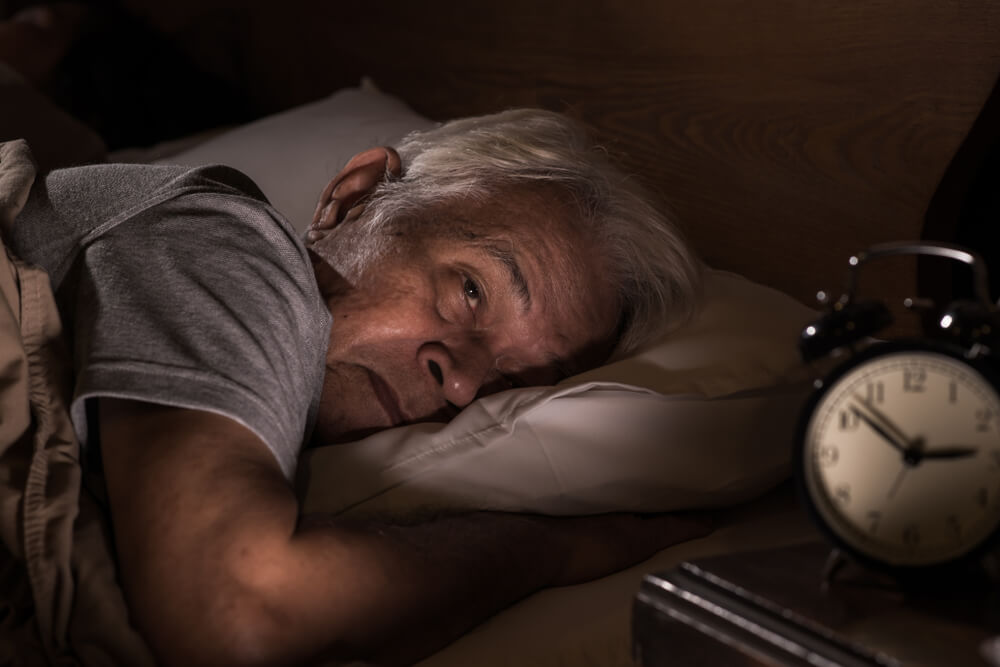
Types of Insomnia
Findings from people faced with insomnia prove that there are three different types of insomnia. These; temporary insomnia, short-term insomnia, and long-term-chronic insomnia. All three types of insomnia are a form of sleep disorder that causes a number of psychologically negative events in the person and must be eliminated by both personal and professional methods. Although the personal treatment mentioned here has full effect in transient insomnia, and is widely effective in short-term insomnia, treatment without professional support is generally useless in long-term-chronic insomnia disorders.
Temporary Insomnia (Insomnia)
It is an insomnia condition that is limited to a maximum of 1 or 2 days. It usually occurs suddenly with a factor that creates tension in the person. Temporary insomnia, which manifests itself due to the person’s extrinsic motivations, usually ends with the disappearance of this factor.
In cases where the person is faced with this type of insomnia, it can be seen that he / she preferentially avoids sleep. Going to bed but not being able to fall asleep is a sign of tense and stressful mood. People who know about insomnia and experience this disorder for the first time can usually identify the factor that causes insomnia in a short time and make the necessary effort to eliminate it. Transient insomnia, which does not usually cause severe damage to general health and psychology, may turn into short-term insomnia and then chronic insomnia if it is not taken seriously and the necessary interventions are not taken to eliminate it. People who are faced with transient insomnia can usually solve their problems despite the late bedtime with a warm shower and herbal tea when they have difficulty in getting to sleep at night.
Short Term Insomnia (Insomnia)
Although it has characteristics similar to transient insomnia, sleep pattern disorders that last up to 4 weeks are called short-term (acute) insomnia. With this type of insomnia, it usually occurs in situations of stress, tension, fatigue, panic and anxiety. People who have psychological disturbances due to unsuitability of conditions in certain periods of life have difficulty falling asleep in these short periods. Generally parallel findings in this period; Lack of appetite, fatigue, sweating, anxious mood, sudden reflexes and reactions are observed as aggressive attitudes.
Acute insomnia usually resolves when the external factors causing this condition are removed and the person returns to a normal sleep pattern. Acute insomnia, which can be solved and recovered by the person, can become chronic and cause more serious sleep problems in the future if it is not taken seriously and if sleep is not attempted. A group of factors that can cause acute insomnia are defined as other acute conditions. Some infections and diseases caused by viruses entering the body can cause a person to have difficulty sleeping. Especially in febrile and painful ailments, the person has difficulty in focusing his body on sleep and insomnia occurs, but in this case, the end of insomnia is possible with the end of the related discomfort. On the other hand, suppressing the disease that causes insomnia with drugs can also restore sleep. For example, the problem of sleeping will be solved, as the patient who is faced with a febrile infection, using paracetamol to eliminate the feeling of pain and suppress the fever will automatically eliminate the factors that prevent sleep. Nevertheless, it is necessary to get advice from a specialist physician in eliminating the discomfort that causes insomnia and the insomnia state should be mentioned to the physician.
Prolonged-Chronic Insomnia (Insomnia)
Chronic insomnia is diagnosed in cases where the deterioration in the sleep pattern lasts longer than 1 month. If chronic insomnia is encountered, the case should be taken seriously and treated. Patients who have long-term difficulties in getting a regular night’s sleep increase the risk of encountering many psychological disorders, and they are also at risk in terms of general health. Due to the inability of the brain and body to rest well and to get a regular night sleep; personality disorders, major depression, anxiety disorder, loss of appetite, aggressive mood, general health disorders and other health disorders associated with insomnia. Although it is not very difficult to treat chronic insomnia, the patient’s compliance with the treatment process and the behaviors shown in this direction are of great importance. Due to long-term insomnia, the person may face serious problems in business life, social life and health. Again, as a risk factor, it is considered that the person facing chronic insomnia can cause accidents due to insufficient reflex and carelessness in traffic. Today, severe attention deficit and hyperactivity disorders are encountered in people who face insomnia and chronically face this condition.
This situation is perceived by the abnormal behaviors seen in the person. Despite being sleepless, these people, who show high energy and activity during the day, may encounter difficult problems in their social relations with their environment. In the treatment of chronic insomnia, a comprehensive examination is performed by physicians by creating a psychological history and all sub-factors that may cause insomnia are revealed. Psychotherapy is initiated in the light of the data obtained, and the cognitive factors causing insomnia are explained and they are eliminated. Studies have shown that many of the people who are faced with chronic insomnia have childhood traumas and that studies aimed at eliminating this trauma have positive effects on regaining sleep patterns. Here, the patient who wants to overcome insomnia should be very open to the physician and himself during the psychotherapy process and help in the correct definition of the factors that prevent sleep. Sometimes medication is also recommended in the company of psychotherapy, and the patient tries to regain sleep pattern during the treatment and makes the order permanent by supporting it with psychotherapy.
On the other hand, it is very important that the social environment supports the person who is faced with insomnia. Relaxing the person, removing stress, participating in activities during the day, keeping them away from risky areas as there may be a lack of attention, and supporting them psychologically are among the duties of the insomnia patient’s immediate environment. A person with chronic insomnia may have a mood that suddenly changes during the day. In the face of this situation, both the person himself and his environment should be aware of the situation, this situation should be managed in the most healthy way and the person should be supported. People who suffer from chronic insomnia may experience weight loss due to loss of appetite and the general health of the person may be negatively affected by this situation. In this process, the person’s taking vitamins and nutritional supplements can be done with the recommendation of the physician, and in this way, the vitamin, mineral and fatty acids that the patient suffers from are tried to be gained externally. On the other hand, taking care of nutrition with natural foods, exercising and participating in activities during the day by taking fresh air are methods that can be effective in gaining a night’s sleep. Trying to adapt to the social environment, getting tired in collective activities and having positive thoughts are other effects that are effective in eliminating insomnia and provide great benefits in the treatment process.

Acute Insomnia (Insomnia)
Acute insomnia, a type of insomnia that lasts for a maximum of 4 weeks, is defined as a sleep disorder that a person can usually resolve without medical intervention. In acute insomnia, the person has difficulty falling asleep, wakes up intermittently during sleep or wakes up early and starts the day tired. For those who face insomnia and experience this condition for the first time, the acute insomnia process begins. With the correct management of this process, the sleep pattern is regained before it lasts up to 4 weeks and the person eliminates the difficulty in transitioning to sleep. However, if the person in the acute stage of insomnia cannot or does not intervene to resolve the situation they are experiencing, the condition may be chronic insomnia. The person with acute insomnia after the first few days, He starts to feel serious discomfort due to not getting enough sleep.
On the other hand, if factors such as stress, depression, anxiety disorder, acute illnesses, malnutrition, drug use, caffeine consumption, obsession that cause acute insomnia are not resolved in this process, the factors that cause the condition may become a chronic nature. Depression experienced in acute insomnia, which is often associated with depression and stress, can be exacerbated by disruption of sleep patterns and reach the level of major depression. This situation causes problems in both general health and social life. Since acute insomnia is a type of sleep pattern disorder that can be encountered at the end of a tiring day, the insomnia encountered in such situations disappears in a short time without being considered very serious.
Determining the factors that cause insomnia at this stage and eliminating these factors by the person and regular attitudes towards sleep are usually sufficient to eliminate the discomfort. Mental problems experienced following insomnia usually disappear with the regaining of sleep patterns. However, the person may sometimes have a panic and anxious reaction to insomnia. In such cases, even if the situation is not serious, the person can seek medical help and be encouraged to fall asleep with low doses of sedatives. Nevertheless, it should be kept in mind that simple insomnia cases can be solved without the need for a clinical treatment process, and it should be known that providing the necessary conditions for sleeping by getting away from the stress during the day can solve the problem.
Chronic Insomnia (Insomnia)
Unlike acute insomnia, chronic insomnia is a problem of not being able to sleep for more than 1 month. The condition that causes chronic insomnia may be idiopathic, ie insomnia that cannot be attributed to a cause, or psychophysiological, that is, insomnia due to the person’s conditioning. In addition, some psychiatric disorders are among the causes of chronic insomnia. Those faced with chronic sleep disorders due to these psychiatric disorders constitute 50% of all chronic insomnia cases. Women, the elderly and people with certain chronic conditions are more prone to insomnia than people who are not in these other groups. Prolonged insomnia indicates not only an inability to fall asleep or waking up early, but also an inability to sleep deeply and comfortably. Person, Although he enters the normal sleep process, he feels sluggish and exhausted when he wakes up, he is not sleepy and is not ready to start the day.
These diagnoses may be sufficient to determine insomnia, as well as many other symptoms related to insomnia. People faced with chronic insomnia are also prone to other psychiatric disorders due to their long-term inability to rest. Personality disorders, depressed mood, aggressive personality, and indecision are common psychological problems in people who experience this type of insomnia. For these reasons, people with chronic sleep disorders, After the diagnosis of the condition, they should consult a specialist physician to be treated in a short time and after the causes of chronic insomnia are identified, they should take the necessary path to eliminate them. Untreated chronic insomnia cases can cause serious attention deficit problems, especially in the work environment and traffic, can be quite large. The person is also uncomfortable with this situation, but because of the serious lack of motivation and dissatisfaction, he also exhibits an aggressive attitude and rejecting attitudes towards criticism and approaches to him. They may not be able to deal with anything and may avoid reacting. Besides this passive character type, a behavioral type seen in chronic insomnia is seen as overactivity. Due to chronic insomnia, which causes hyperactivity disorder, the person also faces situations such as over-reflexing, overreacting, experiencing intense emotional swings. During the treatment processes of chronic insomnia patients, the physician primarily collects health history and some historical information.
Factors that may cause insomnia are determined based on the information obtained and a therapy process is initiated to eliminate these factors. In addition, sleep can be supported with medication. In the management of such insomnia situations, the changes that the person will make in the sleep environment and lifestyle also play a major role in eliminating the problem and will be useful in solving the problem in a short time. If there is a chronic disease that causes insomnia (obesity, sleep apnea, asthma, etc.), a simultaneous treatment process can be followed for this disorder. The physician initiates the complementary professional treatment process by directing the patient to the relevant clinics for these other conditions. The patient’s adaptation to this treatment and his hopeful approach to eliminating the discomfort facilitates the treatment. It is very useful for the person to use the bedroom only for sleep and sexuality, to engage in relaxing activities before sleep, and to support the thought of sleep after going to bed.
The preference of some herbal teas, scents and music before bedtime is also supported by scientific researches that it is beneficial for falling asleep and entering a healthy sleep process. In addition, the right diet and avoiding caffeine consumption should be considered as other factors that support the elimination of insomnia. If the long-term insomnia problem cannot be eliminated, the dangerous situations that may occur in the general health should be known by the patient and it is recommended to be sensitive towards treatment accordingly. In addition, the right diet and avoiding caffeine consumption should be considered as other factors that support the elimination of insomnia. If the long-term insomnia problem cannot be eliminated, the dangerous situations that may occur in the general health should be known by the patient and it is recommended to be sensitive towards treatment accordingly. In addition, the right diet and avoiding caffeine consumption should be considered as other factors that support the elimination of insomnia. If the long-term insomnia problem cannot be eliminated, the dangerous situations that may occur in the general health should be known by the patient and it is recommended to be sensitive towards treatment accordingly.
Causes of Insomnia
As a result of the findings and medical studies revealed, it is known that there are many medical conditions that may cause insomnia. Although these are the reasons that can be listed from mild to serious, in some cases, medical conditions themselves, and in other cases, the causes of the conditioning state can trigger a disorder that makes it difficult for the person to fall asleep. Medical conditions that cause sleep disorders include; Digestive system problems such as reflux, joint pain, asthma causing shortness of breath, Parkinson’s disease, sinus allergy, endocrinological problems such as hyperthyroidism, back pain and other chronic pains. Antidepressants, which are frequently used in the treatment of heart diseases such as cold, hypertension, arrhythmia, thyroid diseases, birth control methods, depression, Factors such as respiratory allergy can affect insomnia.
Based on these factors, there may also be a different underlying cause of sleep problems in insomnia. As an example to these; Restless leg syndrome (a disorder associated with the central nervous system that causes involuntary leg movement) can cause disturbances in sleep patterns. People faced with restless legs syndrome may experience some negative symptoms during part of their routine days, after being inactive and during waking up. The studies that have been put forward reveal that the number of people with this type of central nervous system syndrome worldwide is 10%. Another sleep problem that occurs due to insomnia is defined as sleep apnea. People with sleep apnea, During sleep, they sometimes face in a limited period, sometimes in an intense blockage, and breathing stops at this time. When the oxygen level is insufficient due to the blockage, the person suddenly wakes up and falls asleep again. If there is a problem with regular sleep, the person should be examined to determine that they are not facing a medical problem, and it is recommended to determine the causes of sleep problems. Sometimes, it is enough to follow a few simple methods in order to eliminate the situation that causes insomnia and to increase sleep quality. If the other does, it is important to find out and accept the cause under the control of a specialist.

Mental Health Disorders
Disturbances in sleep patterns may manifest themselves due to psychiatric problems such as depression. Psychological pressure can be a cause that makes sleep difficult. On the other hand, problems in sleep patterns that start with insomnia can change the temperament of the person, as well as cause a psychiatric condition by causing hormonal and psychological changes. In general, sleep problems can show symptoms of depression, and patients with a high risk of sleep disturbances experience high rates of major depressive disorder. It has been scientifically researched and scientifically confirmed that conditions such as sleep disorders, difficulty falling asleep, not being able to wake up, and frequent disruption of night sleep have a stimulating and aggravating effect for depression. Many people in the mature age group They also face insomnia due to the problems of anxiety and nervousness. This is usually perceived as a temporary stress or insomnia due to tension, but it is still recommended to follow up.
There are a number of defined symptoms seen in sleep disorders caused by anxiety. These symptoms are defined as a number of mental states as well as physical reactions given by the body depending on the level of anxiety and anxiety experienced by the person. Among the symptoms; These symptoms include changes in blood pressure level, being stuck in past memories, having serious negative thoughts and worries about future situations and events, feeling overwhelmed due to the responsibilities carried and the desire to gain momentum. Given the general symptoms that arise from anxiety, it is usually not difficult to understand why the resulting insomnia problem occurs. Anxiety disorder is often associated with difficulty transitioning to sleep and being unable to wake up and sleep again. In addition, during very quiet and silent night hours, the person can get away from sleep by being stressed and falling into some negative thoughts and even fears. Anxiety-insomnia cycle has occurred if the person feels nervous, frightened and panicked and cannot fall asleep for a very long period, especially during night sleep hours. Since this is an easily understood insomnia condition, the ways to treat it are also easily understood. Anxiety disorder is often associated with difficulty transitioning to sleep and being unable to wake up and go back to sleep.
In addition, during very quiet and silent night hours, the person can get away from sleep by being stressed and falling into some negative thoughts and even fears. Anxiety-insomnia cycle has occurred if the person feels nervous, frightened and panicked and cannot fall asleep for a very long period, especially during night sleep hours. Since this is an easily understood insomnia condition, the ways to treat it are also easily understood. Anxiety disorder is often associated with difficulty transitioning to sleep and being unable to wake up and sleep again. In addition, during very quiet and silent night hours, the person can get away from sleep by being stressed and falling into some negative thoughts and even fears. Anxiety-insomnia cycle has occurred if the person feels nervous, frightened and panicked and cannot fall asleep for a very long period, especially during night sleep hours. Since this is an easily understood insomnia condition, the ways to be followed for its treatment are also easily understood. If she feels scared and panicked and cannot fall asleep, an anxiety-insomnia cycle has occurred. Since this is an easily understood insomnia condition, the ways to treat it are also easily understood. If she feels scared and panicked and cannot fall asleep, an anxiety-insomnia cycle has occurred. Since this is an easily understood insomnia condition, the ways to treat it are also easily understood.
Neurological Diseases
In some patients with sleep problems, it can be determined that insomnia is caused by some neurotransmitters in the brain that include sleep and wakefulness. Many interactions that can cause a person to split during sleep take place in the brain, and these are likely to be considered chemically. Identifying these factors is helpful in revealing why some people are more prone to insomnia than others. Studies on the relationship between insomnia and neurological diseases in general are still ongoing. The complicated structure of the brain and the large number of external factors the body is exposed to make it difficult to diagnose neurological factors associated with insomnia, but these issues are facilitated by modern methods.
Sleep apnea
The cause of the insomnia experienced by people who are frequently faced with respiratory disorders is sleep apnea. Sleep apnea is a respiratory disorder that causes respiratory arrest for less than 10 seconds, often more than 30 seconds during sleep. Sleep apnea, which can occur without any reason, is also associated with some general reasons. Sleep apnea is a condition encountered in two different ways. The first of these is defined as the commonly detected respiratory disturbances and is known as mechanical sleep apnea. Large tonsils, deviation of the nose and abnormalities in the jaw structure are among the physical causes, and upper respiratory tract infections are among the causes of external mechanical sleep apnea. Other causes of sleep apnea are defined as central sleep apnea. Diseases experienced in the part called the brain stem trigger this type of sleep apnea. Being overweight in patients with sleep apnea may increase the frequency of sleep apnea. Sometimes a factor such as obesity can be the direct cause of sleep apnea. On the other hand, snoring during sleep is also common in patients experiencing sleep apnea. Drowsiness during the day is another symptom of sleep apnea.
During sleep, the body’s breathing difficulties and the inability to provide enough oxygen to the blood cause the body to overwork during sleep and sleep quality decreases significantly. When the person who is tired in sleep, wakes up, he cannot adapt to the day due to his tiredness and shows insomnia-like symptoms. Insomnia usually disappears if sleep apnea, which can cause serious disturbances in sleep patterns and sleep quality, is treated. In this sense, if sleep apnea is caused by weight and the person has obesity, the person starts a diet to lose weight with the support of a dietician. If the reason that triggers sleep apnea is related to nasal tissue and respiratory tract, an Otorhinolaryngology Clinic should be visited in this sense and the situation should be diagnosed and treated by a doctor; Mechanical factors that cause sleep apnea should be eliminated. If none of these methods are successful, it is ensured that sleep apnea is eliminated by using alternative means such as treatment with devices that continuously provide positive pressure to the respiratory tract. Sleep apnea that causes insomnia is breathing cessation for 10 seconds or more repeatedly during sleep and should never be simplified. A number of studies conducted to date reveal that sleep apnea causes this situation in unjustified deaths and sleep deaths of children and babies. On the other hand, it was found that some 40 percent of the cases subjected to hypersomnia research complained of sleep apnea.
Medical Diseases
Examining the existence of some medical diseases that have negative effects on the sleep pattern has an important role in eliminating the insomnia state. If problems with sleep patterns persist after all other psychological causes are excluded and factors such as sleep apnea are examined, the patient should undergo a comprehensive health check. A number of infections, chronic illnesses and various medical illnesses can disrupt the night’s sleep. A number of findings indicate that patients who are faced with insomnia also experience fever when they wake up at night. Even if the person does not perceive this situation, an infection or virus that causes insomnia is thought to be effective and screened.
Insomnia Symptoms
Sometimes it can take a long time for a person to understand and accept that they are facing insomnia. When non-sequential sleeping problems are experienced, the person may take it naturally by attributing it to various reasons, but this may actually be a sign of a serious chronic insomnia case. In people faced with insomnia; It is determined that they have difficulty falling asleep and staying asleep for a long time. Early waking up, waking up tired, sudden mood swings, morale, forgetfulness, headache and stomach aches are among the symptoms of insomnia.
Difficulty Falling Asleep
Difficulty falling asleep for various reasons is one of the common symptoms of insomnia. The factor that causes this situation may be a psychological factor, as well as environmental or health conditions. Psychological reasons such as falling into negative thoughts, feeling negative and regret considering past memories, worries about the future aggravated at night, and panic can make transition to sleep difficult. On the other hand, factors such as excessive caffeine consumption, incompatibility of the person towards the sleep environment, light and noise are factors that have a very negative effect on falling asleep. Factors such as hot weather conditions, extreme tiredness, and stress can also cause a person to have difficulty falling asleep.
Not Being Sleepy For A Long Time
Most of the patients who are faced with insomnia face recurrent awakenings during the night after falling asleep and even inability to sleep again after waking up. The factors that cause this situation may be sleep apnea, excessive tension and anxiety, stress, fear, and disturbing factors in the sleep environment. Again, infections and viruses can interrupt the night’s sleep. It is observed that some of the insomnia patients do not remember the night awakenings and think that they woke up tired despite getting full sleep. However, the patient woke up many times from night sleep and therefore could not sleep and rest during sleep.
Waking Up Too Early
One of the common symptoms of insomnia is that after falling asleep, the person wakes up again in a very short time and cannot sleep again. These are the types of insomnia that sleep around 11-12 and wake up at 4-5. On the other hand, this sleep time may be much shorter and the person may not be able to fall asleep again. Although patients who stay in this condition consider sleeping earlier as a solution, waking up too early and going to sleep early can greatly disrupt the biological clock.
Feeling Tired and Angry
People faced with insomnia feel tired during the day because they cannot get a full night’s sleep and tend to overreact to external factors they are exposed to because their tolerance levels are low. The presence of insomnia can be considered if the person feels constantly tired during the day without being aware of their insomnia and if there is a constant aggressive mood.
Changes in Mood
Serious changes can be observed in the mental health of people who experience disrupted sleep patterns. The depressive mood, which is common in these people, can sometimes be replaced by an overly cheerful and excited mood. This situation actually appears as a symptom of attention deficit and hyperactivity disorder. When the person has difficulty falling asleep at night, they usually have some anxiety-based feelings, which can make the person panic and excited. In insomnia situations that trigger severe changes in mood throughout the day, the person may also be prone to overreacting to their environment.
Lack of Motivation
The brain and body not getting enough rest after a long and tiring day prompts the person to start the next day quite depressed. People who experience this condition experience serious loss of motivation and a dissatisfied mood in cases of insomnia that recur for several days. This situation may cause attention deficit, difficulty focusing and many other problems after a while. Many negativities that a person experiences in his relationships with his environment and during the work process are related to insomnia-induced lack of motivation. If the low level of motivation is not known, the person may experience serious problems with his social environment and work environment by reflecting his situation on external factors.
Memory Problems
The person unconsciously arranges the events he / she experiences daily and the factors he / she is exposed to during sleep and the brain stores this information. People who cannot get regular sleep are faced with memory problems because they cannot properly classify the events they experience and the factors they are exposed to, but cannot rest their brain. People with insomnia often confuse the chronological order of days and events. The reason for this situation is determined as the person’s inability to position the facts correctly in his mind due to sleep deprivation and confusion. Generally, it is recommended that the person take notes and keep records of their experiences with these types of insomnia symptoms.
Head and Stomach Pain
Some of the symptoms that occur in the routine lives of people faced with insomnia are known as headache and stomach pain. Due to stress accompanied by insomnia and fatigue, the stomach and the brain, our two organs most sensitive to these factors, give pain symptoms due to a number of complications. When the stomach structure loosens during sleep and fails to function automatically, fatigue occurs and a feeling of burning and pain in the stomach develops. The fatigue of the brain due to stress and insomnia, which cannot be rested with regular sleep, triggers headache and other complications that can seriously disturb the person occur in addition to insomnia.

Insomnia Diagnosis and Diagnostic Methods
Insomnia is a very dangerous disease that emerges as a psychological disorder, which greatly reduces the patient’s quality of life and eliminates his success in his social life. Since there is a deep relationship between the causes of this disease and human psychology, it is not possible to detect the disease with any test. The definitive diagnosis of the disease is made through the speeches made during psychiatric sessions.
When the patient clearly understands that the decrease in quality of life is due to insomnia, he seeks a doctor. During the interview with the doctor, information about the patient’s life, past and present is obtained. With the inferences made from the sum of these, the diagnosis is made definitively. The following points constitute the framework of the meeting with the doctor:
- What is your sleep pattern and how long you sleep between what hours. Whether your sleep was interrupted for any reason. The total duration of your sleep deprivation in your daily life.
- Your general situation in your work and social life and whether there are situations that cause stress on you. If there are relevant reasons, what happened and how it affected your life.
- Whether you have had any illnesses in the past. If you have, with what kind of treatment method you got rid of the disease. If you still continue, the medications you use and their ingredients.
- Whether you have alcohol, cigarette and drug addiction. If yes, which ones you use and how often.
- Whether you do sports and if so, how often, at what fitness level you do this activity.
After the clinical evaluations made after this meeting, a definitive diagnosis will be made for insomnia. In the first stage, sleep tests are not done. After the direct treatment is started, interviews are made again when the process is over. If the problem still persists, clinical tests are applied. You may also be asked to write down your sleep patterns in a notebook during these interviews.
Polymonography (Sleep Test)
Thanks to this test, the body and brain functions of patients with sleep problems during sleep or falling asleep are measured and recorded. The causes of insomnia or inability to fall asleep can be uncovered thanks to the analysis made on the recorded data. There are two stages of sleep. Comparative analysis of the data in these two stages is required.
- REM: In the muscular structure of the body, only the eye muscles are working at full capacity. Other muscles are relaxed and at rest. Heartbeats change according to the level of consciousness, that is, they are irregular. Eye muscles are constantly moving. Respiration also occurs irregularly and at shorter intervals due to heart movements.
- nonREM: It is a period when REM sleep is completed and the body is sensitive until it passes to the other REM phase. It consists of three sub-stages. These stages are also in a cycle within themselves.
The test is very detailed and prepared in a way that includes all stages of sleep. By comparing the natural order of the stages with the order determined in the patient, many dark spots regarding sleep are revealed and data on the cause of imsomnia is sought.
Insomnia Risk Factors
Insomnia has a direct impact on the quality of life. In addition, it is very important to get full sleep so that neurological activities can progress above a certain level and make the right decisions. Many problems may arise due to insomnia in patients with imsomnia. Although these problems are not observed in patients who are diagnosed on time and started treatment, it is quite possible that these results will be seen in patients whose diagnosis is not made on time. A normal person should sleep an average of seven to eight hours a day, provided that they complete the REM and nonREM phases. The shortening of this period or the unfinished phases due to constantly waking up brings big problems. There are some environmental and psychological factors that cause insomnia. If these factors cover the majority of life, insomnia and inevitably complications due to insomnia are observed. Modern life is rich in factors that cause insomnia.
Intense Stress
Exposure to stress due to various reasons in a person’s social life and business life increases his resistance to sleep. People who work intensely in business life and have difficulties in project creation and finishing work are included in the risk group of imsonnia. In addition, being subjected to pressure in their social life for various reasons brings along insomnia.
In addition, social media and game addiction cause insomnia by creating stress on the person. Nowadays, problems with sleep and falling asleep are usually solved with sleeping pills; people directly interfere with the result and ignore the cause. For this reason, imsomnia patients need to find out the cause and intervene in it instead of interfering with the result.
Complications of Insomnia
There are a number of complications people face due to insomnia. These complications are usually listed as a number of general medical problems due to fatigue, lack of attention and restlessness caused by insomnia.
Work and Traffic Accidents
People who have disturbances in their sleep patterns and cannot sleep commonly experience fatigue and attention deficit. Due to this situation, they can cause some problems, especially in environments that require mental focus and physical work. A person who suffers from a decrease in morale and motivation after a sleep disorder may cause accidents by acting carelessly while performing the duties he / she has to do physically in the working environment, and these accidents can have serious consequences. On the other hand, in jobs that require mental activity, difficulties and errors may occur in performing tasks such as registration and control procedures. Another risk group caused by insomnia is listed as traffic accidents. Among the people who cause traffic accidents, the number of people who faced with insomnia and caused the accident due to the symptoms of attention deficit is clearly determined. Reflex and perception problems that develop due to insomnia can trigger work and traffic accidents.
Risk of Stroke
There are many studies showing that there is a risk of paralysis, especially in insomnia cases faced with sleep apnea. Although the relationship between insomnia and stroke has not yet been demonstrated with very strong data, it is thought that insomnia due to sleep and wakefulness disorders and restless legs syndrome creates a risk of stroke.
Heart Disease Risk
There is a difference between sleeping breathing and waking breathing. Insomnia, which causes a disorder in this pattern, causes the heart to not receive sufficient and meaningful oxygen. The decrease in the quality and level of oxygen provided to the heart due to disorders that cause insomnia, such as sleep apnea, may cause the heart to accelerate its work to produce more oxygen and cause arrhythmia.
How to Prevent Insomnia?
It is known that the most successful way to prevent insomnia is psychological treatment methods. On the other hand, there are some precautions that a person can take to prevent insomnia and also applications that can support treatment. The acceptance of the insomnia state and taking these precautions in addition to the treatment methods have important positive effects on the re-establishment of sleep patterns.
Sleep Hygiene
Sleep hygiene generally means managing sleeping and waking up in a specific and regular way. Sleeping at the same time every day and waking up at the same time provided that it is not late, going to bed when it is time to sleep, not consuming heavy foods before going to sleep, avoiding disturbing sound and physical activities before bedtime, spending time with relaxing elements, sleeping environment is dark and quiet Not preferring long rest sleeps during the day provides sleep hygiene and increases sleep quality and shortens the time to fall asleep.
You can read our article about sleep hygiene: https://beimpe.com/sleep-hygiene/
Control of Stimulating Foods
Avoiding foods and chemicals that push the brain and heart to work fast and cause insomnia will be beneficial in eliminating sleep problems. Situations such as consuming excessive caffeine during the day and consuming excessively heavy food before sleep negatively affect sleep quality. It is possible to add alcohol consumption to this list.
Frequently asked Questions
What is Sleep Restriction in Insomnia?
Sleep restriction therapy is known as an effective way to prevent insomnia as a method that limits the time spent in bed with sleep. While the person thinks that he / she will rest more when he / she stands tall in the bed, this causes sleep to spread over a longer period of time, creating more division. Sleep restriction, on the other hand, is a method that enables coding of going to bed only when sleeping.
Is Snoring Cause of Insomnia?
Snoring tendency is a factor that can disrupt sleep during sleep. If snoring behavior triggers frequent awakening from sleep and disruption of sleep patterns, insomnia can be listed as the cause.
What Should Insomnia Patients Pay Attention to?
Patients should first accept the discomfort they experience, but should not think that it is a part of their life, and they should definitely turn to treatment. These people should share their insomnia and ailments in the workplace and start receiving treatment. He should determine the time of sleep and be in bed within this range. Avoid caffeine and other stimulating foods. He should stay away from stress and go to bed, leaving work at work. If a person is diagnosed with depression, he / she must struggle by sharing this situation with a specialist and his / her relatives.
Can Insomnia Patients Drive?
Sleep disorder is not an obstacle to driving, but attention deficit and focusing problems due to this situation may lead to traffic accidents, so it is recommended that the person be careful about the situation he / she experiences and if he / she does not feel like he / she can drive, he / she should prefer public transportation and accompany him / her.
Can Insomnia Patients Work?
Sleep disorder does not prevent employment, but occupational accidents that may occur due to insomnia should be taken into account and the person must be treated.
What Consequences Can Occur Without a Treatment for Insomnia?
Other general health problems and complications related to sleep disorders may be exacerbated. Untreated insomnia can lead to major depression and quality of life significantly deteriorates.
Does Insomnia Cause Depression?
Sleep disorder is heavily associated with stress and depressed mood. Therefore, when insomnia is at a chronic level, it can often cause depression and even major depression and neuroses if left untreated.
What is Insomnia Sleep Training?
Insomnia sleep training is a sleep training provided for people with insomnia to overcome their discomfort and suppress problems caused by insomnia. With this training, the person regains his lost sleep pattern.
Can Insomnia Patients Use Sleeping Medicine?
Although psychotherapy is the most preferred and most beneficial application in the treatment of insomnia, medication can be started with the recommendation of a specialist psychiatrist.
Does Constant Bed Staying Benefit Insomnia Patients?
Staying in bed constantly is a factor that can further disrupt the sleep pattern. The person can settle the sleeping pattern only when he / she prefers the bed during sleep, but if he / she spends too long in the bed, the person enters a cycle in which he cannot distinguish between when to sleep and when to wake up.
Does Exercise Benefit Insomnia Patients?
Regular exercise will tire the body during the day and increase the need and desire for sleep. In addition, people who exercise can largely avoid stress and depression factors that can cause insomnia.
Is Insomnia a Psychological Illness?
Since insomnia is a condition based on a factor, it cannot be directly defined as a psychological disorder. Other factors such as arrhythmia, respiratory infection, and obesity may also be the cause of insomnia.
Is Insomnia Deadly?
Sleep disorder is not a disease that can directly cause death, but it should be kept in mind that people with advanced sleep problems have a risk of heart disease and stroke.
Does Substance Use Cause Insomnia?
The use of stimulants can seriously damage the sleep pattern by causing loss of brain function and impairment in thoughts, and this can trigger the formation of chronic insomnia.
Which Doctors Should Insomnia Patients Consult?
People with insomnia should consult a psychiatrist or psychologist first. If it is a general health problem underlying insomnia, your doctor will refer you to the other relevant clinic. If the problem is caused by a psychological factor, your treatment and follow-up will be started in this clinic.
Do People With Insomnia Have Sexual Problems?
In the physical activities of the individual whose sleep pattern is disrupted, weakening, weakness and morale are seen. In addition, some mood disorders may also occur due to insomnia, causing the person to experience sexual anorexia.
Does Insomnia Cause Anxiety?
A common symptom in people who cannot fall asleep at night is defined as anxiety. The person tends to have negative thoughts during the time he / she is not sleeping but staying in bed. Negative thoughts and worries about the future can be triggered by insomnia.
Can Insomnia Patients Attend School?
It is okay for insomnia patients to attend school, but their memory problems and attention deficits may lead to the weakening of cognitive intelligence and not to benefit from the training received. For this reason, insomnia encountered in school age must be examined and treated by a specialist.
Do Insomnia Patients Need Psychiatric Treatment?
If chronic insomnia is caused by a psychological reason and cannot be resolved with psychotherapy methods, it may be supported by psychiatric treatment methods. The therapist, who continues the examination of the disease, makes a decision and directs this situation.
How Does Insomnia Pass?
After the detection of insomnia, treatment processes are developed according to the patient’s condition. Treatments are generally used as an auxiliary treatment method with mild sleep medications. The main treatment is the therapies with the patient. The main purpose of therapies is to eliminate all the situations that prevent falling asleep or to prevent the patient from developing reactions in the face of these situations. Situations in which the disease resolves on its own are also encountered, but this is very rare. In short, we can say that the disease passed with a successful and complex treatment.


