


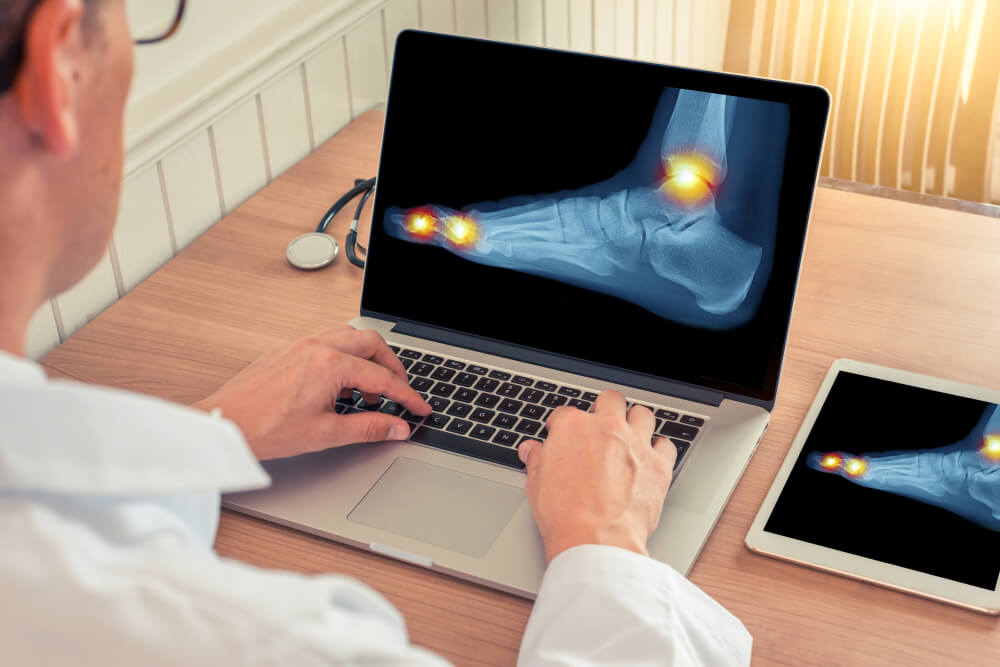
In the treatment of gout, it is important to avoid foods rich in purine and that the nutrition program consists of foods containing low or moderate purines. Güven Health Group Nutrition and Diet experts gave information about how a purine-poor diet should be for gout patients.
How does gout occur?
Gout is a disease that occurs as a result of purine metabolism disorder and has a hereditary predisposition. Purine is one of the nitrogenous compounds that break down into uric acid in the body. It is normally found in urine. Its amount in plasma is 2-6 mg / dl. In gout, the blood uric acid level rises and settles in the knee and big toe joints and soft tissues in the form of insoluble sodium urate salts and causes these tissues to wear out. Gout is more common in adults over the age of 40, obese men and alcohol drinkers. The cause of gout disease is purine metabolism disorder. This situation is examined in two groups.
- The final breakdown products of nucleic acids in food and body are uric acid. Nucleic acids taken with food are broken down in the intestine enzymatically and turn into purine.
- Uric acid in the blood is excreted from the kidney. The lack of enzymes that are effective in this process causes the uric acid level to increase. Drug therapy is helpful for relieving pain and increasing uric acid excretion. In addition to medical treatment, a limited purine nutrition program is applied.

The 7 golden rules of nutritional therapy in gout:
- Foods rich in purine should be removed from the diet or consumed in the amount determined by the nutritionist.
- Fat increases the accumulation of uric acid in the body. Therefore, attention should be paid to the amount of fat consumed.
- Consumption of vegetables and fruits that are not rich in purine should be increased.
- Care should be taken to drink plenty of fluids.
- Alcohol and alcoholic beverages should be avoided.
- Coffee and tea do not affect the formation of purines in the body. However, be careful not to consume more than 2-3 cups of coffee and tea a day.
- The ideal weight should be preserved, and the excess weight, if any, should be lost with the help of a nutrition and diet specialist.
Foods can be divided into 3 groups according to the amount of purine.
Low purine foods:
Foods in this group can be consumed freely in the nutrition program of gout patients.
- Milk and derivatives
- Cheese
- Egg
- Bread
- Cereals
- Candy
- Fruit
- Vegetables (other than those in the 2nd group)
Moderately purine foods:
Foods in this group can be consumed in a limited way in the nutrition program of gout patients.
- Meat, chicken, fish
- Dry legumes (dry beans, chickpeas, broad beans, lentils, etc.)
- Mushroom
- Bulgur
- Pea
- Spinach, cauliflower, asparagus, etc.
Foods with large amounts of purines:
Foods in this group should not be included in the nutrition program of gout patients.
- Sakatatlar
- Game meats
Small fish
- Caviar
- Anchovies
- Bread made of bran, oats and rye


